Shoulder pain can transform simple daily activities into challenging ordeals. Whether you're reaching for a coffee mug, lifting groceries, or trying to get a good night's sleep, persistent shoulder discomfort affects every aspect of your life. For residents of Clemmons and surrounding areas like River Oaks and Bermuda Run, finding effective, lasting relief without relying on medications or invasive procedures has become a priority.
SoftWave therapy represents a breakthrough in non-invasive pain management, offering hope to those who have struggled with chronic shoulder conditions. This innovative treatment harnesses the power of acoustic waves to stimulate your body's natural healing processes, providing relief that goes beyond temporary symptom management to address the root causes of shoulder pain.
Understanding How SoftWave Therapy Works for Shoulder Pain
SoftWave therapy utilizes unfocused acoustic waves that penetrate deep into shoulder tissues, triggering a cascade of biological responses that promote healing. Unlike traditional treatments that merely mask symptoms, this therapy provides lasting relief by addressing the underlying tissue damage and inflammation causing your pain.
The acoustic waves stimulate increased blood flow to the affected area, bringing essential nutrients and oxygen to damaged tissues. This enhanced circulation accelerates the body's natural repair mechanisms while simultaneously reducing inflammation and breaking down scar tissue that may be restricting movement and causing pain.
What makes SoftWave therapy particularly effective for shoulder conditions is its ability to reach multiple tissue types simultaneously. The shoulder joint is complex, involving muscles, tendons, ligaments, and bone structures. Traditional treatments often target only one aspect of the problem, but SoftWave therapy provides comprehensive treatment that addresses all affected tissues in a single session.
The therapy also stimulates the release of growth factors and stem cells, which are crucial for tissue regeneration. This biological response helps repair damaged cartilage, strengthen weakened tendons, and restore normal function to the shoulder joint. Many Clemmons residents have experienced significant improvement in their range of motion and strength following SoftWave treatment protocols.
Common Shoulder Conditions That Respond to SoftWave Therapy
Rotator cuff injuries represent one of the most frequent shoulder problems affecting adults, particularly those over 40. Whether caused by acute injury or gradual wear and tear, rotator cuff damage can create persistent pain and weakness that interferes with work and recreational activities. SoftWave therapy provides lasting relief by promoting tendon healing and reducing the inflammation that perpetuates pain cycles.
Frozen shoulder, or adhesive capsulitis, creates severe mobility restrictions that can persist for months or years without proper treatment. The acoustic waves help break down adhesions and scar tissue while stimulating the production of healthy collagen, gradually restoring normal shoulder mechanics and range of motion.
Shoulder impingement syndrome occurs when tendons become compressed during arm movement, creating pain and limiting function. SoftWave therapy addresses this condition by reducing tissue swelling and promoting proper healing of irritated structures, allowing for pain-free movement patterns to return.
Arthritis-related shoulder pain, whether from osteoarthritis or other inflammatory conditions, often responds well to SoftWave treatment. The therapy helps manage inflammation while potentially slowing cartilage degradation and improving joint lubrication, providing relief that can last for extended periods.
Sports-related shoulder injuries, common among active individuals who enjoy activities at Tanglewood Park or local fitness facilities, benefit from SoftWave therapy's ability to accelerate healing while maintaining tissue strength and flexibility.
The Treatment Experience and What to Expect
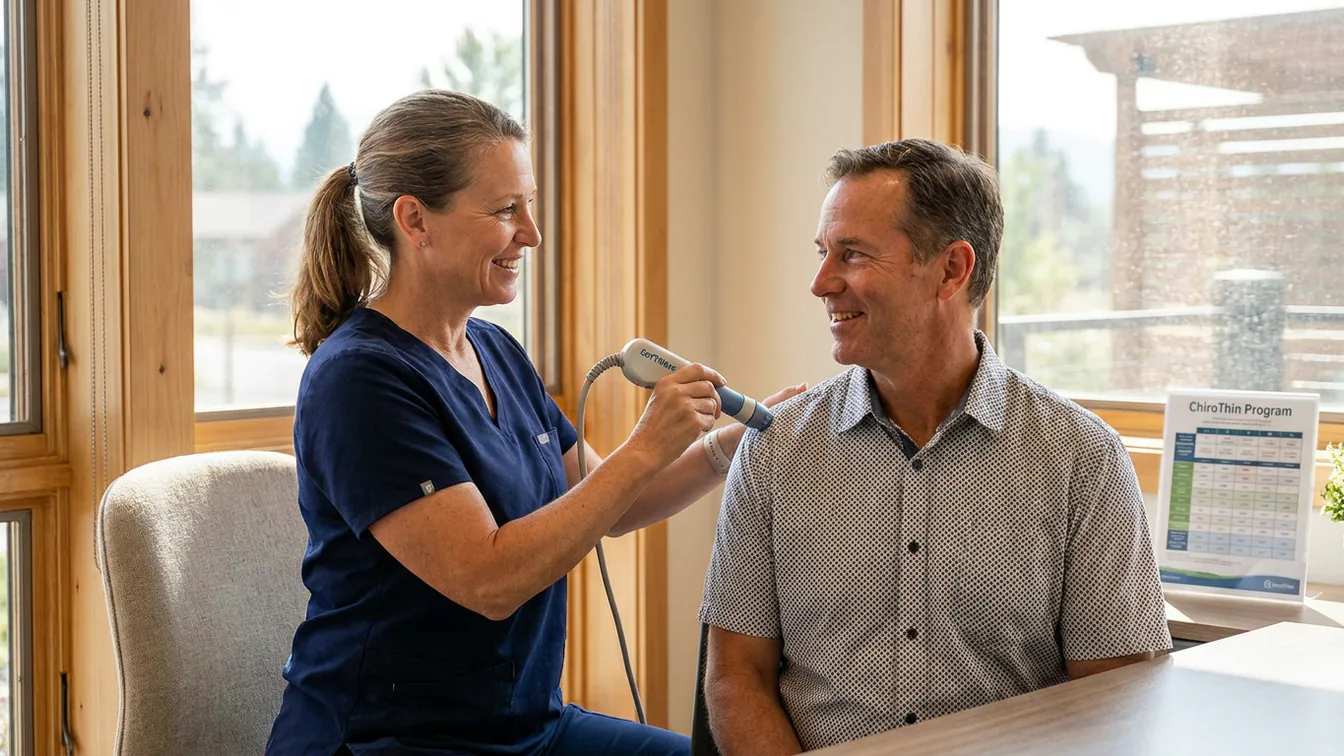
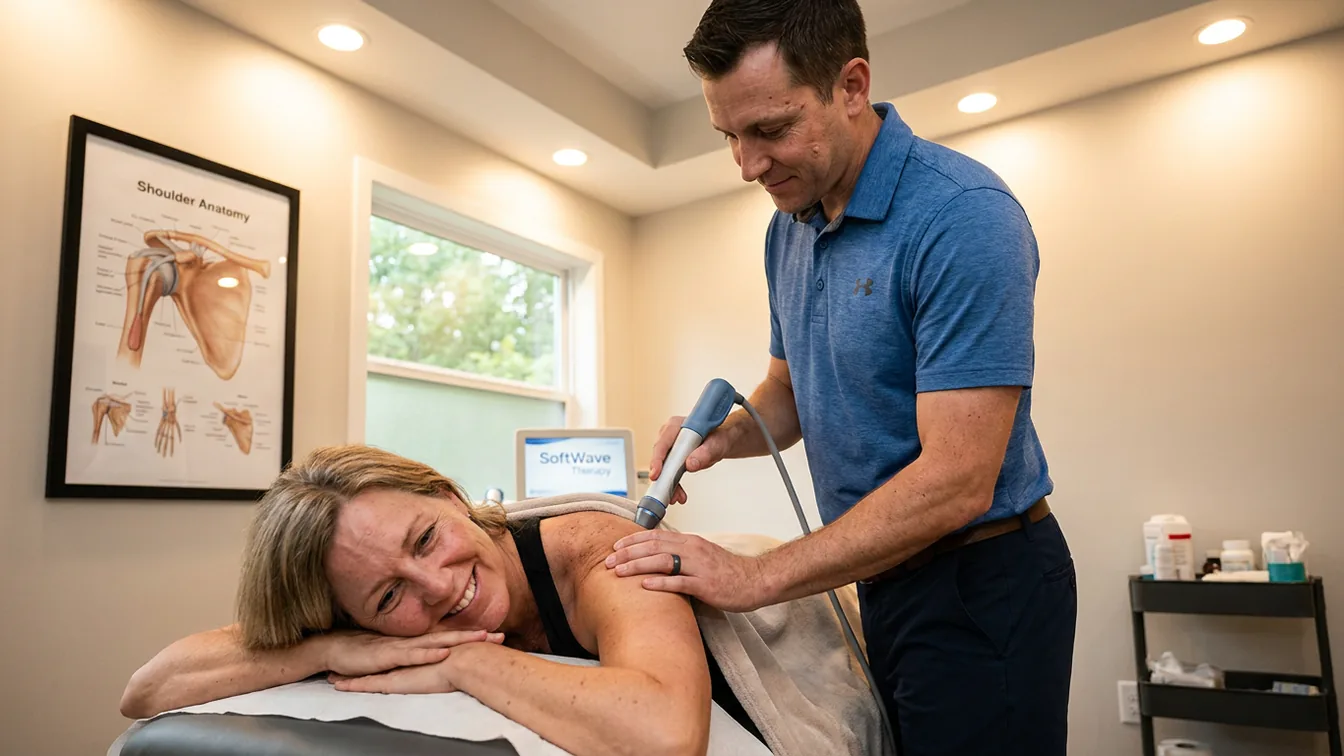
SoftWave therapy sessions are typically comfortable and well-tolerated by most patients. During treatment, a trained professional applies the acoustic waves to specific areas of your shoulder using a specialized handheld device. Most patients describe the sensation as a gentle pulsing or tapping feeling, with some experiencing mild tingling as blood flow increases to the treated area.
Treatment sessions usually last between 15 to 20 minutes, making them convenient for busy schedules. Many Clemmons residents appreciate being able to fit therapy appointments into their lunch breaks or before evening commitments. No anesthesia or pain medication is required, and you can return to normal activities immediately following treatment.
The number of sessions needed varies depending on the severity and chronicity of your condition. Acute injuries may respond within 3-5 sessions, while chronic conditions might require 6-10 treatments for optimal results. Your healthcare provider will develop a personalized treatment plan based on your specific needs and response to initial sessions.
Some patients notice improvement after their first session, while others may require several treatments before experiencing significant relief. This variation is normal and doesn't indicate treatment failure. The therapy provides lasting relief by promoting genuine tissue healing rather than simply masking symptoms, which takes time to develop fully.
Advantages Over Traditional Shoulder Pain Treatments
Unlike corticosteroid injections, which can weaken tissues over time and provide only temporary relief, SoftWave therapy actually strengthens and heals damaged structures. This approach provides lasting relief without the potential side effects associated with repeated injections or long-term medication use.
Physical therapy remains an important component of shoulder rehabilitation, but SoftWave therapy can enhance and accelerate the benefits of exercise-based treatments. Many patients find they progress more quickly through their rehabilitation programs when SoftWave therapy is included in their treatment plan.
Surgical interventions, while sometimes necessary, carry inherent risks and require extended recovery periods. SoftWave therapy offers a non-invasive alternative that may help some patients avoid surgery entirely or optimize their condition before surgical intervention becomes necessary.
The therapy also addresses multiple aspects of shoulder dysfunction simultaneously, unlike treatments that focus on individual symptoms. This comprehensive approach often provides more complete and lasting relief than symptom-specific interventions.
Maximizing Your Results with SoftWave Therapy
While SoftWave therapy is highly effective on its own, certain lifestyle modifications can enhance your results and help maintain the benefits long-term. Staying adequately hydrated supports the increased cellular activity stimulated by treatment, so aim for at least 8 glasses of water daily, especially on treatment days.
Gentle movement and stretching, as recommended by your healthcare provider, help maintain the improved mobility achieved through therapy. Avoid aggressive stretching or activities that cause pain, but don't completely immobilize your shoulder unless specifically instructed.
Proper sleep positioning can prevent aggravation of healing tissues. Many people with shoulder pain find relief sleeping on their back or on the unaffected side with a pillow supporting the injured arm.
Nutritional support for healing includes adequate protein intake and anti-inflammatory foods like fatty fish, leafy greens, and berries. These nutrients provide the building blocks your body needs for tissue repair and help control inflammation naturally.
Managing stress levels also supports healing, as chronic stress can interfere with your body's repair mechanisms. Consider incorporating relaxation techniques, gentle exercise like walking through your Clemmons neighborhood, or enjoyable activities that help you unwind.
Finding Quality SoftWave Therapy in Clemmons
When seeking SoftWave therapy for your shoulder pain, it's important to work with experienced professionals who understand both the technology and the complexities of shoulder conditions. Look for providers who take time to thoroughly evaluate your specific situation and develop personalized treatment plans rather than offering one-size-fits-all approaches.
The best outcomes occur when SoftWave therapy is integrated into comprehensive treatment plans that may include other supportive therapies, lifestyle modifications, and ongoing monitoring of your progress. Your provider should be willing to adjust your treatment plan based on how you respond and communicate clearly about what to expect throughout the process.
If you're tired of living with persistent shoulder pain and are interested in exploring how SoftWave therapy might provide the lasting relief you've been seeking, consider consulting with the experienced professionals at Williams Chiropractic. Located at 2850 Middlebrook Drive, Clemmons, NC 27012, their team can evaluate your specific condition and determine whether SoftWave therapy is appropriate for your situation. Don't let shoulder pain continue to limit your activities and quality of life when effective, non-invasive solutions are available right here in Clemmons.