Whether you are a weekend warrior, a high school athlete, or someone who simply loves staying active, a sports injury can stop you in your tracks. One awkward step on the pickleball court or one too many miles on the greenway can leave you sidelined, frustrated, and unsure what to do next. If that sounds familiar, you are not alone, and you do not have to guess your way through recovery.
This is Clemmons's guide to sports injuries treatment, written for adults who want natural, practical, and evidence-informed ways to heal. Whether you live in Clemmons or West Forsyth, the principles below can help you respond wisely when an injury strikes and rebuild your body so it is less likely to happen again.
Understanding Common Sports Injuries and Why They Happen
Sports injuries generally fall into two categories: acute and overuse. Knowing which one you are dealing with helps you choose the right treatment.
Acute injuries happen suddenly. Examples include ankle sprains, muscle strains, knee ligament tears, shoulder dislocations, and fractures. You can usually point to the exact moment something went wrong. Pain, swelling, bruising, and difficulty bearing weight are common signs.
Overuse injuries develop gradually. Tendinitis, runner's knee, shin splints, tennis elbow, plantar fasciitis, and low back pain often fall into this group. They tend to start as a mild ache that you can "work through," until one day it becomes impossible to ignore.
Several factors contribute to both types:
- Poor biomechanics. Restricted joints, muscle imbalances, or poor posture force other areas of the body to compensate.
- Inadequate warm-up or recovery. Jumping into activity cold or skipping rest days increases tissue stress.
- Sudden increases in intensity. Adding too much mileage, weight, or playing time too quickly is one of the most common causes of overuse injuries.
- Old injuries that never fully healed. A sprained ankle from years ago can quietly change how you walk, run, and load your knees and hips.
- Improper equipment. Worn-out shoes or poorly fitted gear can alter alignment and shock absorption.
A common misconception is that pain is simply a normal part of being active. Muscle soreness after a hard workout is expected, but sharp, lingering, or recurring pain is your body's way of saying something needs attention. Ignoring it often turns a minor problem into a chronic one.
What to Do in the First 72 Hours
How you respond in the first few days can make a real difference in how quickly you recover. Here is a practical approach you can follow at home.
1. Stop and assess. Stop the activity as soon as you feel something is wrong. Pushing through pain can worsen tissue damage. If you cannot bear weight, notice obvious deformity, feel numbness, or heard a pop followed by significant swelling, seek professional evaluation promptly.
2. Protect and rest the area. Relative rest is better than complete immobilization for most mild to moderate injuries. Avoid movements that provoke sharp pain, but keep the rest of your body moving gently.
3. Use ice for short periods. For the first day or two, ice can help calm pain and swelling. Apply a wrapped ice pack for about 10 to 15 minutes at a time, several times a day. Never place ice directly on bare skin.
4. Consider gentle compression and elevation. A light compression wrap and elevating the limb above heart level can help limit swelling, especially with ankle and knee injuries. The wrap should be snug but never tingling or numbing.
5. Begin gentle motion when tolerated. Many people assume they should keep an injured joint completely still for weeks. In reality, early, pain-free movement often supports better healing and prevents stiffness. If a motion hurts sharply, back off.
6. Avoid common mistakes. Heavy massage on a freshly torn muscle, aggressive stretching of an injured area, or masking pain with medication so you can keep playing can all backfire. Pain is useful information, and covering it up can lead to bigger setbacks.
These steps are a starting point, not a substitute for a proper diagnosis. If symptoms do not noticeably improve within a few days, or if they keep returning, it is time to have a professional take a closer look.
How Chiropractic Care Supports Sports Injury Recovery
Many people associate chiropractic care only with back pain, but it can play a valuable role in sports injury treatment. A chiropractor looks at how your whole body moves, not just the spot that hurts. That matters because the site of pain is not always the source of the problem.
For example, a runner with knee pain may actually have restricted motion in the hip or ankle. A golfer with persistent elbow pain may have limited mobility in the upper back and shoulder. Treating only the painful area can bring temporary relief, but addressing the underlying movement pattern helps resolve the issue more completely.
At Williams Chiropractic, care for active adults often includes a combination of approaches tailored to the individual:
- Thorough evaluation. This includes a detailed history, movement and posture assessment, and orthopedic and neurological testing to understand what is driving your symptoms. When needed, we coordinate referrals for imaging or additional care.
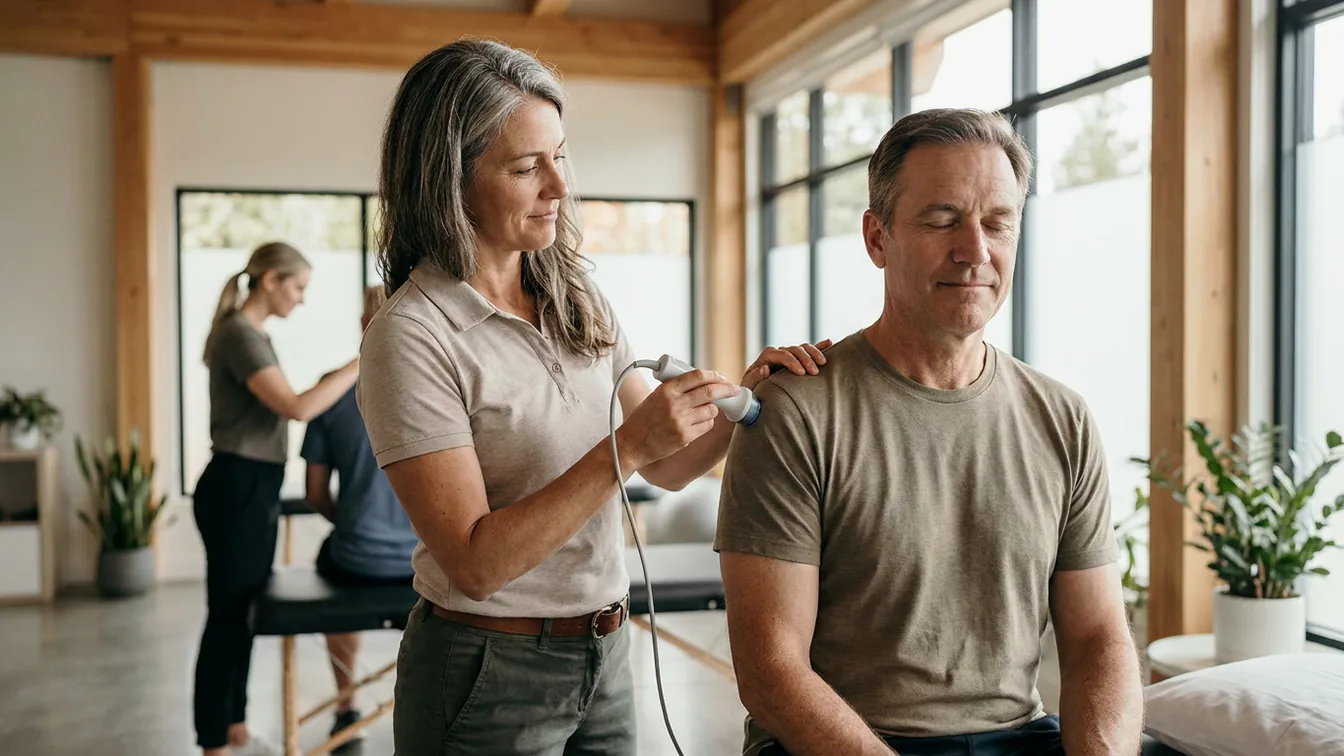
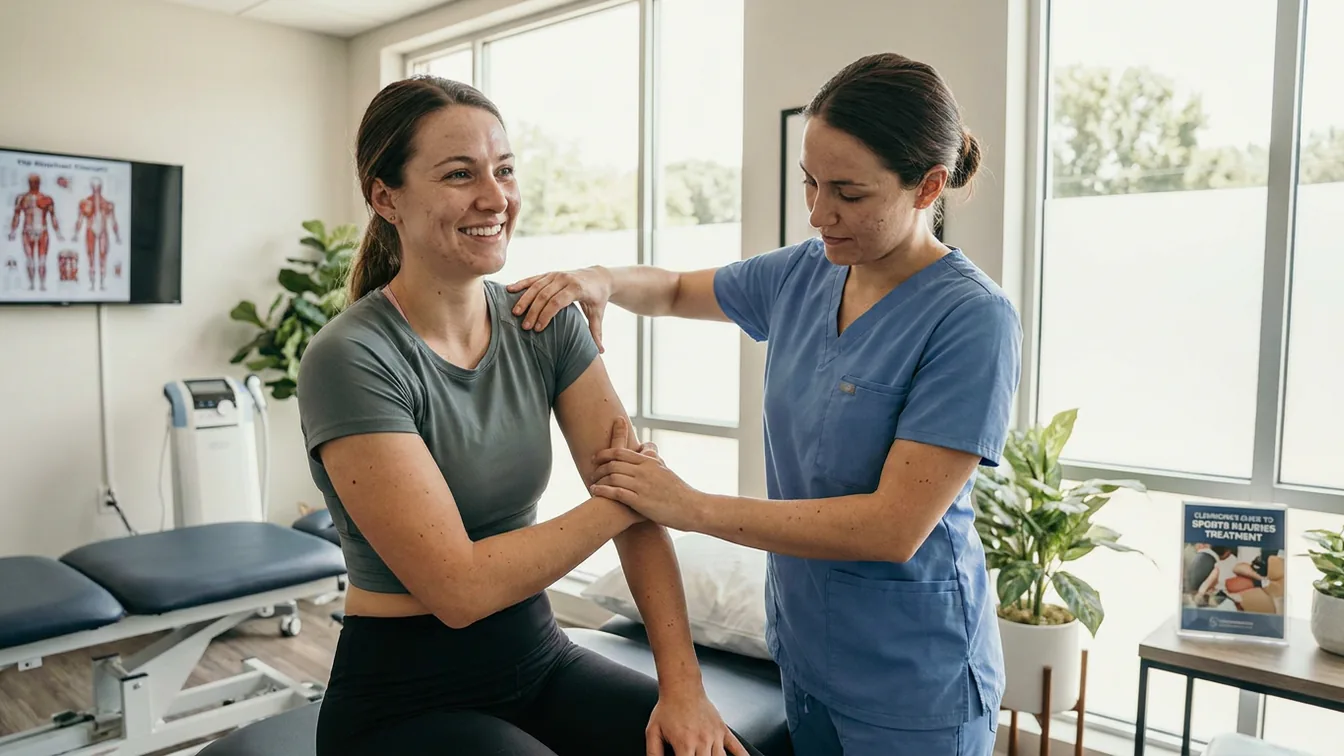
- Joint adjustments and mobilization. Gentle, targeted techniques can help restore healthy joint motion, reduce stiffness, and ease pressure on irritated tissues.
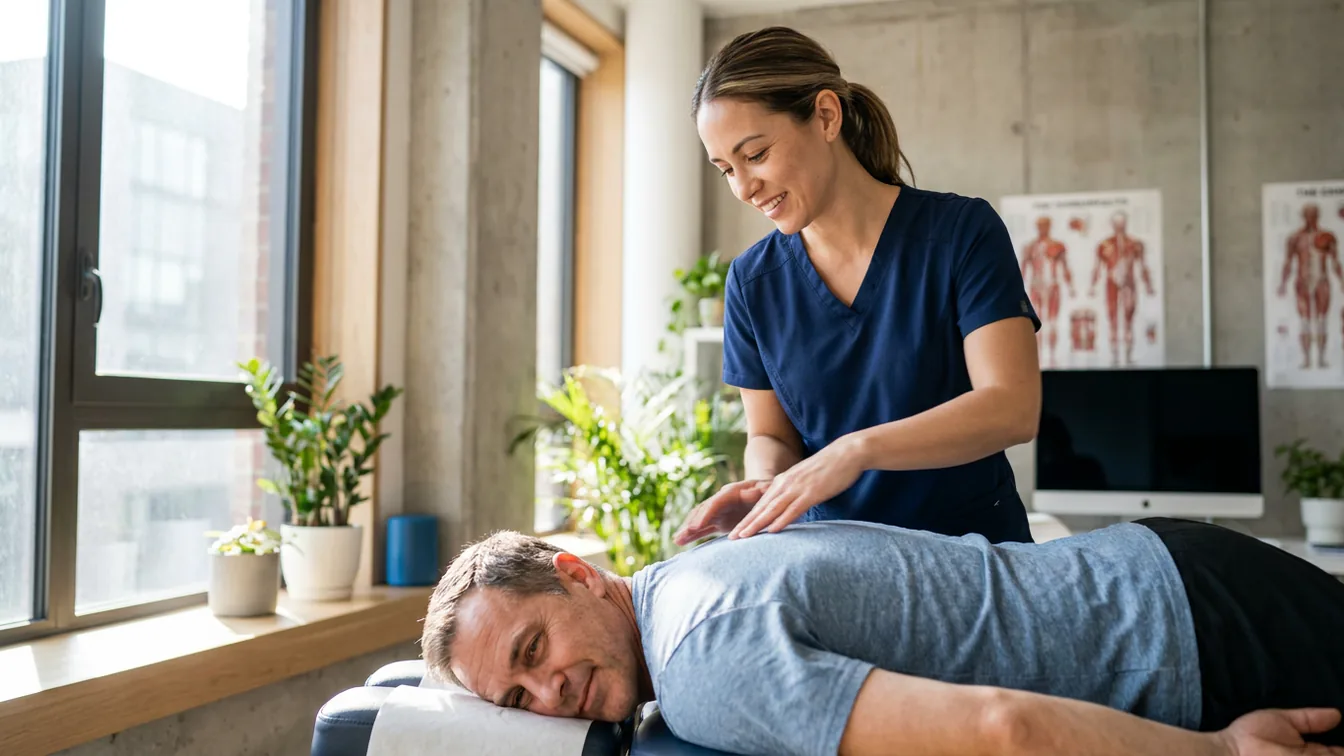
- Soft tissue therapies. Techniques that address muscle tension, trigger points, and scar tissue can improve flexibility and circulation.
- Rehabilitative exercises. Strengthening weak muscles and improving stability and balance are essential for lasting recovery.
- Activity and ergonomic guidance. Practical advice on training loads, footwear, warm-ups, and technique helps you avoid repeating the same injury.
The goal is not just to quiet your symptoms but to help your body move better and heal more fully. Natural, hands-on care appeals to many people who want to avoid relying on medication or who want a more complete answer than "just rest it."
It is also important to be realistic. Some injuries, such as complete ligament tears or fractures, may require medical or surgical care. A good chiropractor will recognize those situations and refer you appropriately. Healthcare works best as a team effort, and your well-being comes first.
Building a Smarter Recovery and Prevention Plan
Once the acute phase passes, the real work of recovery begins. Many people stop at "it does not hurt anymore," but pain relief is not the same as full recovery. Tissues need time to rebuild strength, and your body needs to relearn healthy movement patterns.
Return to activity gradually. A good rule is to increase your training by no more than about 10 percent per week. Start with lower intensity and shorter sessions, and watch how your body responds over the next 24 hours. Mild fatigue is fine. Increased pain or swelling means you did too much.
Warm up with purpose. Skip the long static stretches before activity. Instead, use five to ten minutes of dynamic movements such as leg swings, hip circles, arm circles, walking lunges, and light jogging to prepare your joints and muscles.
Strengthen the foundation. Strong glutes, core muscles, and shoulder stabilizers protect your joints during sport. Bodyweight exercises such as bridges, planks, bird dogs, and single-leg balance drills are excellent places to start. If you walk laps or take a fitness class at the Jerry Long Family YMCA, adding two or three short strength sessions each week can make a noticeable difference in your resilience.
Prioritize sleep and nutrition. Tissue repair happens largely during sleep, so aim for seven to nine hours each night. Adequate protein, plenty of colorful vegetables and fruits, and steady hydration all support healing. Some people find anti-inflammatory foods such as fatty fish, berries, and leafy greens helpful.
Cross-train. Mixing in lower-impact activities such as swimming, cycling, or yoga gives overworked areas a break while maintaining your fitness. This is especially helpful for runners and anyone prone to repetitive strain.
Listen to early warning signs. Stiffness that lingers, a nagging ache that appears at the same point in every workout, or a sense that one side feels weaker than the other are all cues to get checked before a minor issue becomes a major one.
This advice applies at every level of activity. Wake Forest Demon Deacons fans who love a Saturday pickup game after cheering on the home team are just as susceptible to strains and sprains as competitive athletes. Smart habits protect all of us.
When to Seek Professional Care
Some situations call for prompt attention. Seek care if you experience severe pain, an inability to bear weight, significant swelling or bruising, numbness or tingling, joint instability, or symptoms that are not improving after a few days. Seek emergency care right away for suspected fractures, head injuries, or any injury accompanied by chest pain, dizziness, or loss of consciousness.
Even if your injury seems minor, an early evaluation can save weeks of frustration. Many Clemmons residents wait until a problem becomes severe before getting help, but early care generally means a faster, simpler recovery.
Take the Next Step Toward Healing
Your body is designed to heal, and with the right support, most active adults can return to the activities they love. If a sports injury is holding you back, or if you want to prevent one before it starts, our Clemmons clinic is here to help you create a clear, personalized plan.
The team at Williams Chiropractic provides compassionate, whole-body care for athletes and active adults throughout Clemmons and the surrounding North Carolina communities. Visit us at 2850 Middlebrook Drive, Clemmons, NC 27012 to schedule an evaluation. Do not let pain dictate your next move. Reach out today and take the first step toward moving comfortably again.