When you're passionate about staying active, whether you're a weekend warrior enjoying a morning jog along Tanglewood Park or a dedicated Wake Forest Demon Deacons fan who loves playing recreational sports, an injury can feel devastating. The good news is that sports injury rehab offers a proven pathway back to the activities you love, often stronger than before.
Sports injury rehabilitation is far more than just "resting until it feels better." It's a comprehensive, science-based approach that addresses not only the immediate injury but also the underlying factors that may have contributed to it. For active individuals in Clemmons and surrounding areas like Mocksville and Village Point, understanding how this process work can make the difference between a full recovery and recurring problems.
Understanding Sports Injury Rehabilitation: More Than Just Recovery
Sports injury rehab is a systematic approach to healing that combines multiple therapeutic modalities to restore function, reduce pain, and prevent future injuries. Unlike passive treatments that only address symptoms, effective rehabilitation tackles the root causes of injury while rebuilding strength, mobility, and coordination.
The process begins with a thorough assessment that goes beyond the obvious injury. Healthcare providers examine movement patterns, muscle imbalances, joint restrictions, and biomechanical issues that may have contributed to the problem. This comprehensive evaluation is crucial because many sports injuries aren't just accidents – they're often the result of accumulated stress, poor movement patterns, or underlying weaknesses that finally reach a breaking point.
For residents of Clemmons, NC, this means working with practitioners who understand that your weekend tennis game or hiking adventures require a different approach than treating a professional athlete, but the principles of effective rehabilitation remain the same. The goal is always to restore optimal function while addressing the individual factors that led to the injury.
One common misconception is that sports injury rehab is only necessary for serious injuries. In reality, even minor strains and sprains benefit significantly from proper rehabilitation. What feels like a "minor" ankle sprain can lead to chronic instability and recurring injuries if not properly addressed. The compensation patterns your body develops to protect an injured area often create new problems down the road.
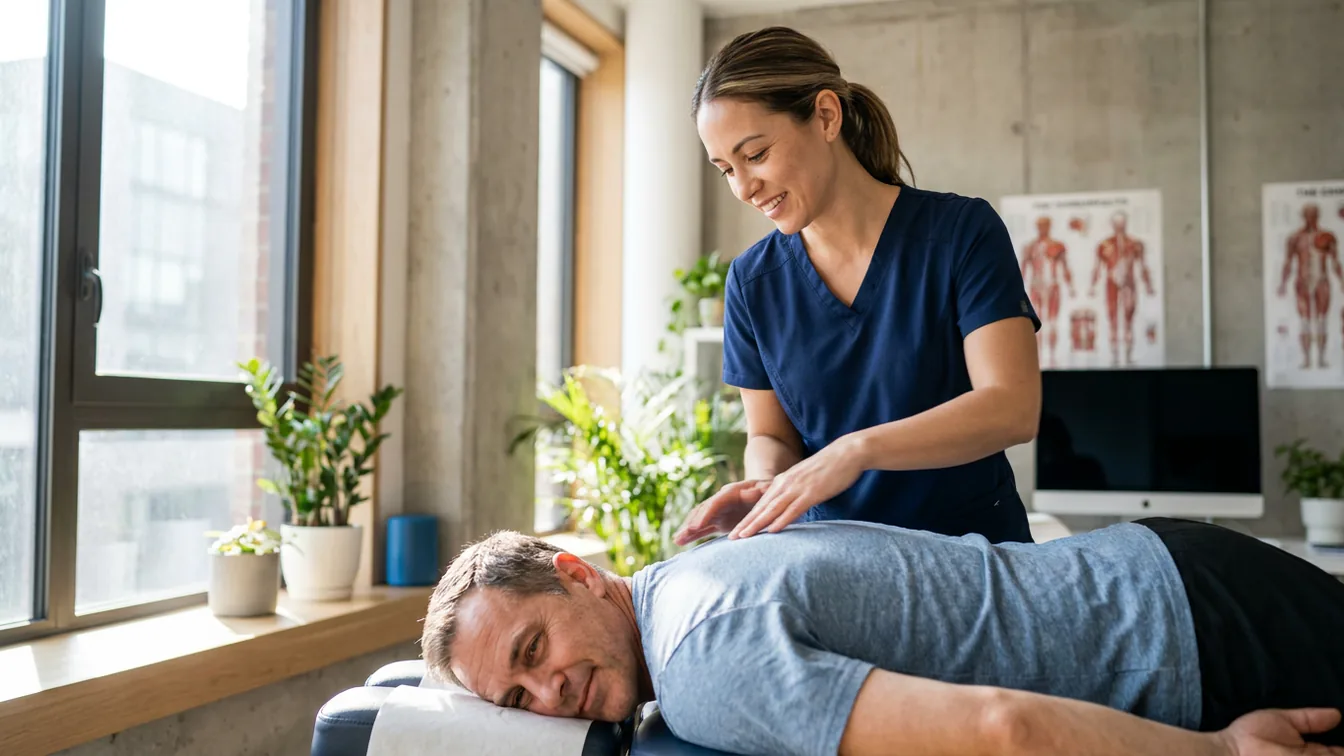
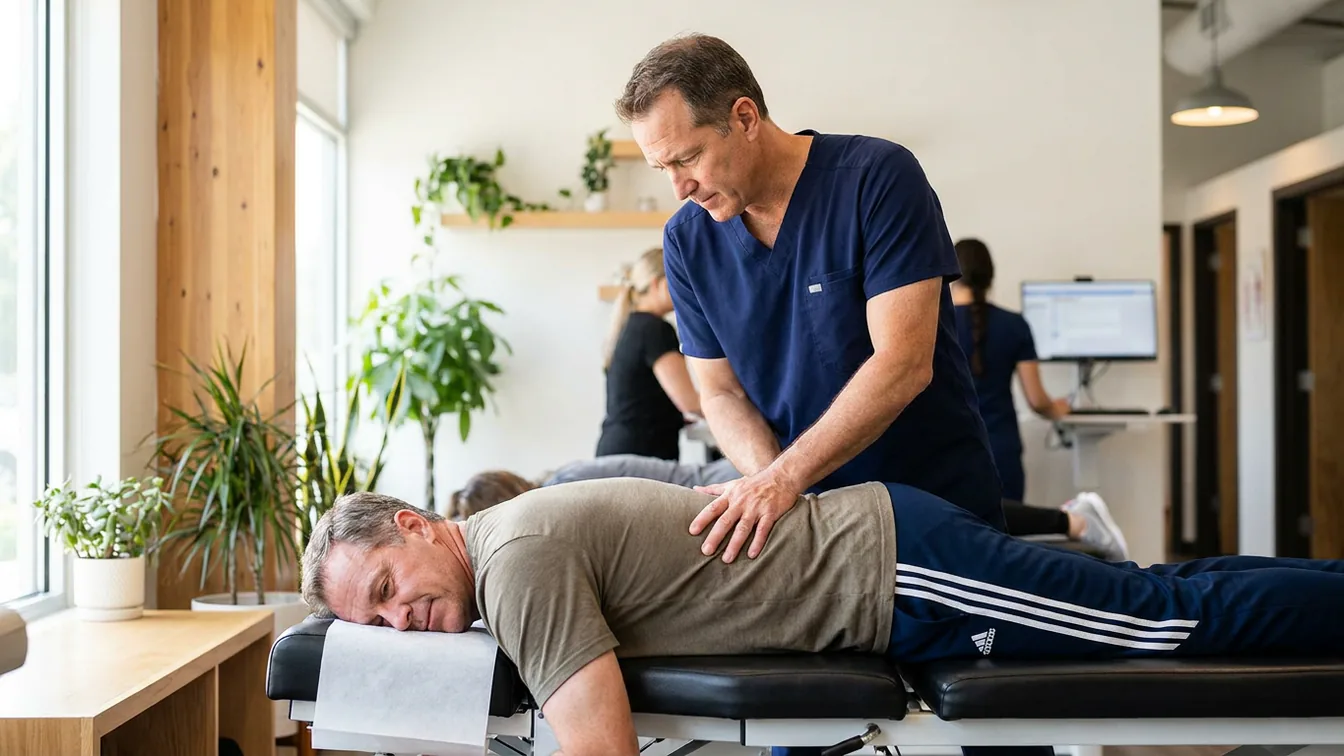
Chiropractic care plays a vital role in sports injury rehabilitation by addressing spinal alignment and joint function throughout the body. When one area is injured, the entire kinetic chain is affected. A knee injury changes how you walk, which affects your hip alignment, which impacts your lower back, and so on. This interconnected nature of the body requires a holistic approach that chiropractic care naturally provides.
The Three Phases of Effective Sports Injury Rehabilitation
Effective sports injury rehab follows a structured progression through three distinct phases, each with specific goals and interventions. Understanding these phases helps set realistic expectations and ensures you're actively participating in your recovery process.
Phase 1: Protection and Pain Management
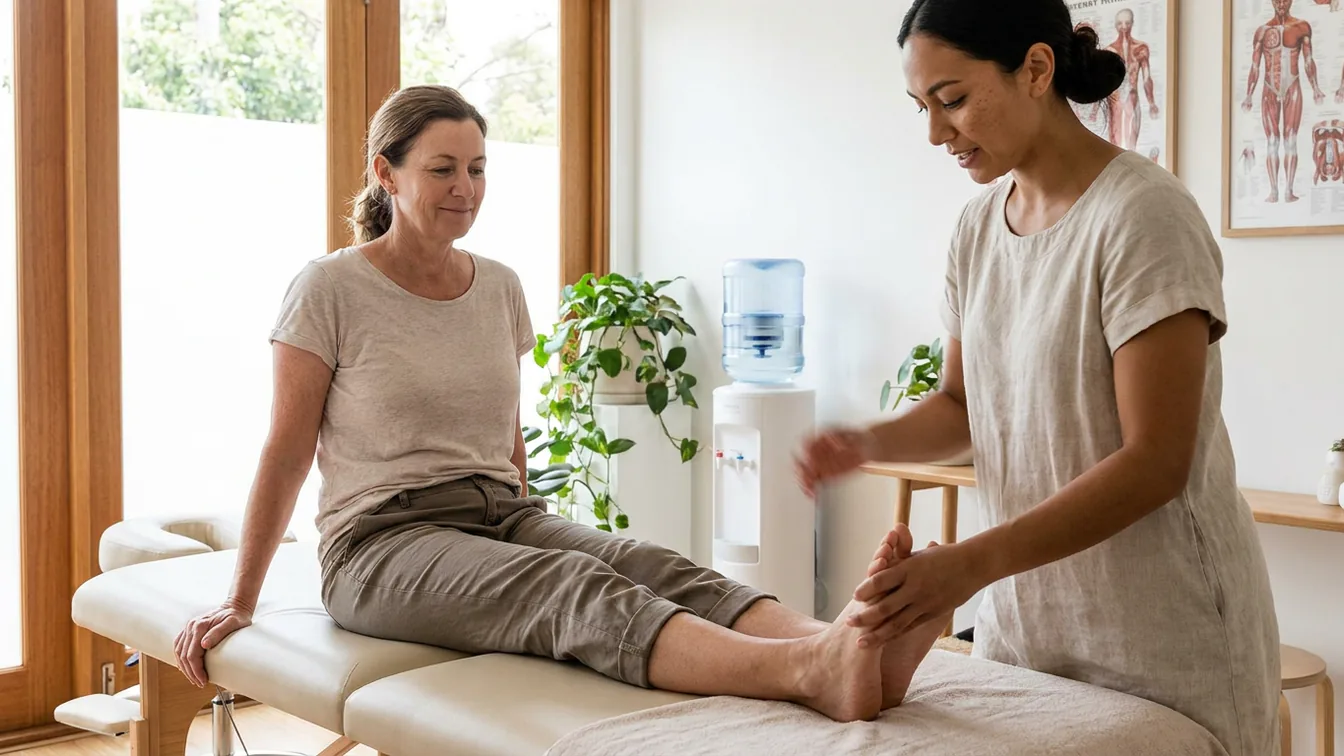
The initial phase focuses on protecting the injured tissue while managing pain and inflammation. This doesn't mean complete inactivity – modern rehabilitation emphasizes controlled movement and early intervention. Chiropractic adjustments during this phase help maintain proper alignment in uninjured areas, preventing compensation patterns from developing.
During this phase, many Clemmons residents are surprised to learn that complete rest often isn't the best approach. Controlled movement within pain-free ranges helps maintain circulation, prevents stiffness, and begins the healing process. Your healthcare provider will guide you through specific movements and positions that promote healing while protecting the injured tissue.
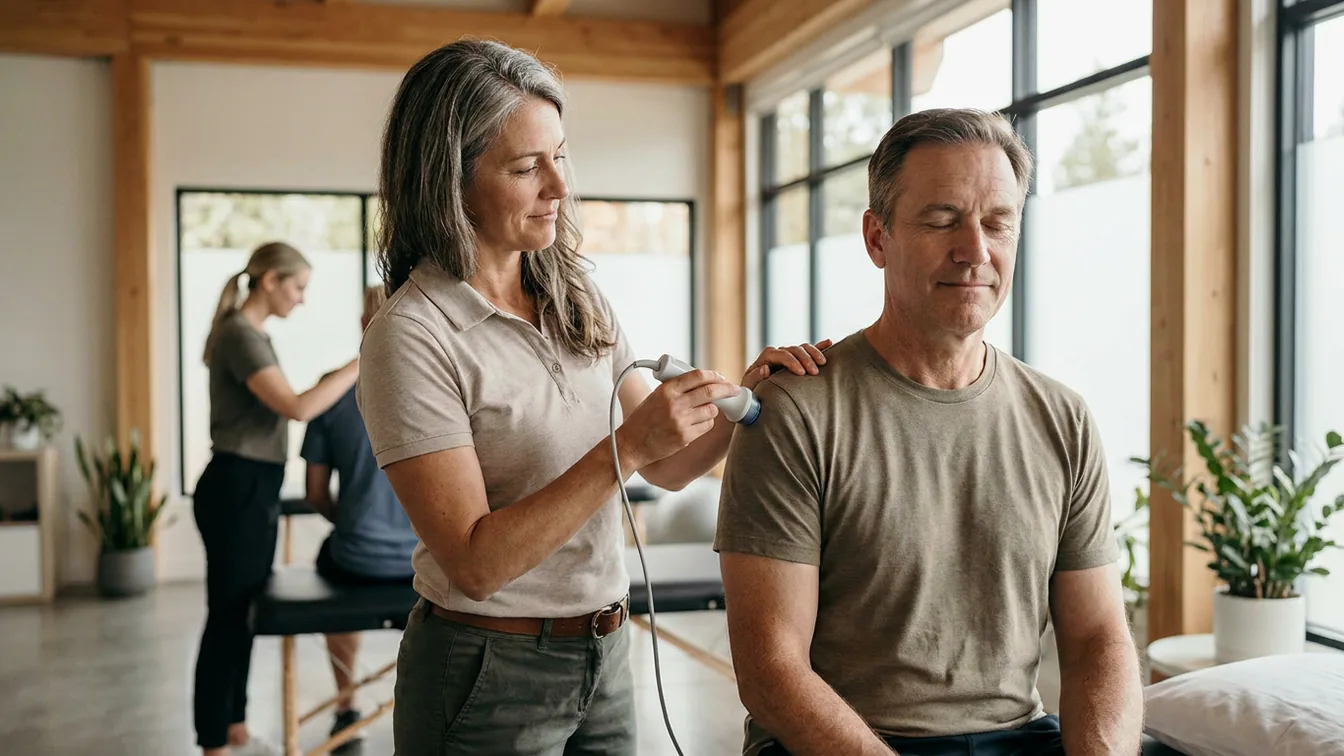
Pain management during this phase goes beyond just masking symptoms. Techniques like ice therapy, gentle mobilization, and specific positioning help control inflammation while supporting the body's natural healing processes. The goal is to create an optimal environment for tissue repair while maintaining function in the rest of your body.
Phase 2: Restoration of Movement and Function
As pain decreases and initial healing progresses, the focus shifts to restoring normal movement patterns and function. This phase is where many people make critical mistakes by either progressing too quickly or not addressing underlying movement dysfunctions.
Mobility work becomes crucial during this phase. Joint restrictions and muscle tightness that developed during the protection phase need to be systematically addressed. Chiropractic adjustments are particularly effective here, helping restore normal joint mechanics and breaking up adhesions that can limit movement.
Strengthening exercises are gradually introduced, starting with basic stabilization and progressing to more dynamic movements. The key is rebuilding strength in proper movement patterns rather than simply getting stronger in dysfunctional patterns. This is where professional guidance becomes invaluable – what feels "normal" to you might actually be a compensation pattern that needs correction.
Functional movement training during this phase prepares your body for the demands of your specific activities. Whether you're preparing to return to hiking North Carolina's beautiful trails or getting back to your regular fitness routine, the exercises become increasingly sport-specific and challenging.
Phase 3: Return to Activity and Performance
The final phase focuses on safely returning to full activity while implementing strategies to prevent future injuries. This isn't just about getting back to where you were – it's about becoming more resilient and performing better than before your injury.
Sport-specific training intensifies during this phase, with exercises that closely mimic the demands of your chosen activities. Agility drills, plyometric exercises, and complex movement patterns help bridge the gap between rehabilitation exercises and real-world performance.
Injury prevention education becomes a major focus. You'll learn to recognize early warning signs of problems, understand proper warm-up and cool-down procedures, and develop strategies for managing training loads to avoid overuse injuries.
The Role of Chiropractic Care in Sports Injury Rehabilitation
Chiropractic care offers unique advantages in sports injury rehabilitation that complement other therapeutic approaches. The emphasis on spinal health and proper biomechanics addresses many of the underlying factors that contribute to sports injuries.
Spinal alignment directly affects athletic performance and injury risk. When vertebrae are misaligned, it creates compensatory patterns throughout the body that increase stress on muscles, joints, and connective tissues. Regular chiropractic adjustments help maintain optimal alignment, reducing injury risk and improving performance.
The nervous system coordination that chiropractic care supports is crucial for athletic performance. Proper nerve function ensures optimal muscle activation patterns, coordination, and reaction times. This neurological component of rehabilitation is often overlooked in other approaches but is fundamental to preventing re-injury.
For active individuals in Clemmons, chiropractic care also offers the advantage of drug-free pain management. Rather than masking symptoms with medications, chiropractic treatments address the mechanical causes of pain while supporting the body's natural healing processes.
What to Expect During Your Sports Injury Rehab Journey
Every rehabilitation journey is unique, but understanding what to expect can help you stay motivated and engaged throughout the process. Most people experience good days and challenging days – this is completely normal and part of the healing process.
Progress isn't always linear. You might feel significantly better one day and slightly worse the next. These fluctuations are typical, especially in the early phases of rehabilitation. The key is looking at overall trends rather than day-to-day variations.
Communication with your healthcare team is crucial throughout the process. Be honest about pain levels, functional limitations, and concerns. The more information your provider has, the better they can adjust your treatment plan to optimize results.
Home exercises and self-care strategies play a major role in successful rehabilitation. The time you spend in the clinic is just the beginning – what you do between appointments often determines the overall success of your treatment. This includes following exercise prescriptions, implementing lifestyle modifications, and practicing proper body mechanics.
Taking the Next Step Toward Recovery
Sports injury rehabilitation requires expertise, patience, and a comprehensive approach that addresses your individual needs and goals. Whether you're dealing with an acute injury or chronic issues that have been limiting your activities, professional guidance can make the difference between incomplete healing and full recovery.
If you're experiencing sports-related pain or limitations, don't wait for problems to worsen. Early intervention typically leads to faster recovery times and better long-term outcomes. The healthcare professionals at Williams Chiropractic understand the unique challenges facing active individuals in Clemmons and throughout North Carolina. Located at 2850 Middlebrook Drive, Clemmons, NC 27012, our team is ready to help you develop a personalized rehabilitation plan that gets you back to the activities you love – stronger, more resilient, and better prepared to prevent future injuries.