Your feet carry you through countless steps each day, yet they're often the most neglected part of your body until pain strikes. For residents of Clemmons and surrounding areas like Mocksville and Tanglewood, preventing plantar fasciitis before it starts is far more effective than treating it after the damage is done. This debilitating condition affects millions of Americans annually, but with the right knowledge and preventive measures, you can keep your feet healthy and pain-free for years to come.
Plantar fasciitis occurs when the thick band of tissue supporting your foot's arch becomes inflamed or develops small tears. While treatment options exist, the old adage "prevention is better than cure" rings especially true for this condition. By understanding the risk factors and implementing targeted prevention strategies, you can maintain optimal foot health throughout your active lifestyle in North Carolina.
Understanding Your Risk Factors
Before diving into prevention strategies, it's crucial to recognize what puts you at risk for developing plantar fasciitis. Age plays a significant role, with most cases occurring between ages 40 and 60. However, younger individuals aren't immune, particularly those who engage in high-impact activities or spend long hours on their feet.
Weight distribution significantly impacts your plantar fascia. Excess body weight increases pressure on these supporting tissues, making them more susceptible to strain and injury. This doesn't mean only overweight individuals develop the condition, but maintaining a healthy weight certainly reduces your risk.
Your daily activities matter more than you might think. Whether you're cheering on the Wake Forest Demon Deacons fans at games or working in professions requiring prolonged standing, repetitive stress on your feet increases vulnerability. Teachers, nurses, factory workers, and retail employees in Clemmons face elevated risks due to occupational demands.
Foot structure itself influences susceptibility. High arches, flat feet, or abnormal walking patterns can create uneven weight distribution, placing additional stress on the plantar fascia. While you can't change your natural foot structure, understanding these factors helps you take appropriate preventive measures.
Tight calf muscles and Achilles tendons often contribute to plantar fasciitis development. When these structures lack flexibility, they alter your foot mechanics during walking and running, increasing strain on the plantar fascia. This interconnectedness highlights why comprehensive prevention addresses the entire lower extremity, not just the foot.
Essential Daily Prevention Strategies
Implementing consistent daily habits forms the foundation of plantar fasciitis prevention. Start each morning with gentle stretching before your feet hit the floor. The plantar fascia tightens overnight, making those first steps particularly stressful on the tissue. Spend a few minutes flexing your feet and pointing your toes toward your shins while still in bed.
Proper footwear selection cannot be overstated in preventing plantar fasciitis before it starts. Shoes should provide adequate arch support, heel cushioning, and a proper fit with room for toe movement. Replace worn-out shoes regularly, as deteriorated support structures fail to protect your feet effectively. For Clemmons residents who enjoy outdoor activities, investing in quality athletic shoes designed for your specific activities pays dividends in foot health.
Gradually increase activity levels rather than jumping into intense exercise routines. Your plantar fascia needs time to adapt to increased demands. If you're starting a new workout program or increasing your walking routine around areas like Clemmons Village Hall, progress slowly over several weeks rather than diving in at full intensity.
Maintain a healthy weight through balanced nutrition and regular exercise. Even modest weight loss can significantly reduce pressure on your plantar fascia. Focus on low-impact activities initially, such as swimming or cycling, to build fitness without overstressing your feet.
Pay attention to walking surfaces whenever possible. Concrete and other hard surfaces increase impact forces on your feet. When walking for exercise in Clemmons, seek out softer surfaces like grass, tracks, or trails when available. If you must walk on hard surfaces regularly, ensure your footwear provides adequate shock absorption.
Targeted Exercises and Stretches
Specific exercises targeting foot and lower leg flexibility play a crucial role in preventing plantar fasciitis. Incorporate these movements into your daily routine, ideally performing them twice daily – once in the morning and again in the evening.
Calf stretches should become a non-negotiable part of your routine. Stand facing a wall with your hands pressed against it, step one foot back about three feet, and lean forward while keeping your back heel on the ground. Hold for 30 seconds and repeat with the other leg. This stretch targets both the gastrocnemius and soleus muscles, improving overall lower leg flexibility.
The towel stretch effectively targets the plantar fascia directly. Sit with your legs extended, loop a towel around the ball of one foot, and gently pull your toes toward your shin. Hold for 30 seconds per foot, feeling the stretch along your arch and calf.
Strengthening exercises complement stretching efforts by building resilience in supporting muscles. Toe curls using a towel help strengthen the small muscles in your feet. Place a towel on the floor and use your toes to scrunch it toward you, then spread it back out using your toes.
Marble pickups provide another excellent strengthening exercise. Scatter marbles on the floor and pick them up using only your toes, placing them in a bowl. This exercise improves toe strength and coordination while enhancing overall foot function.
Rolling a tennis ball or frozen water bottle under your foot provides both stretch and massage benefits. Apply gentle pressure as you roll the ball from heel to toe, spending extra time on any tender areas. The cold from a frozen water bottle adds anti-inflammatory benefits.
Professional Support and When to Seek Help
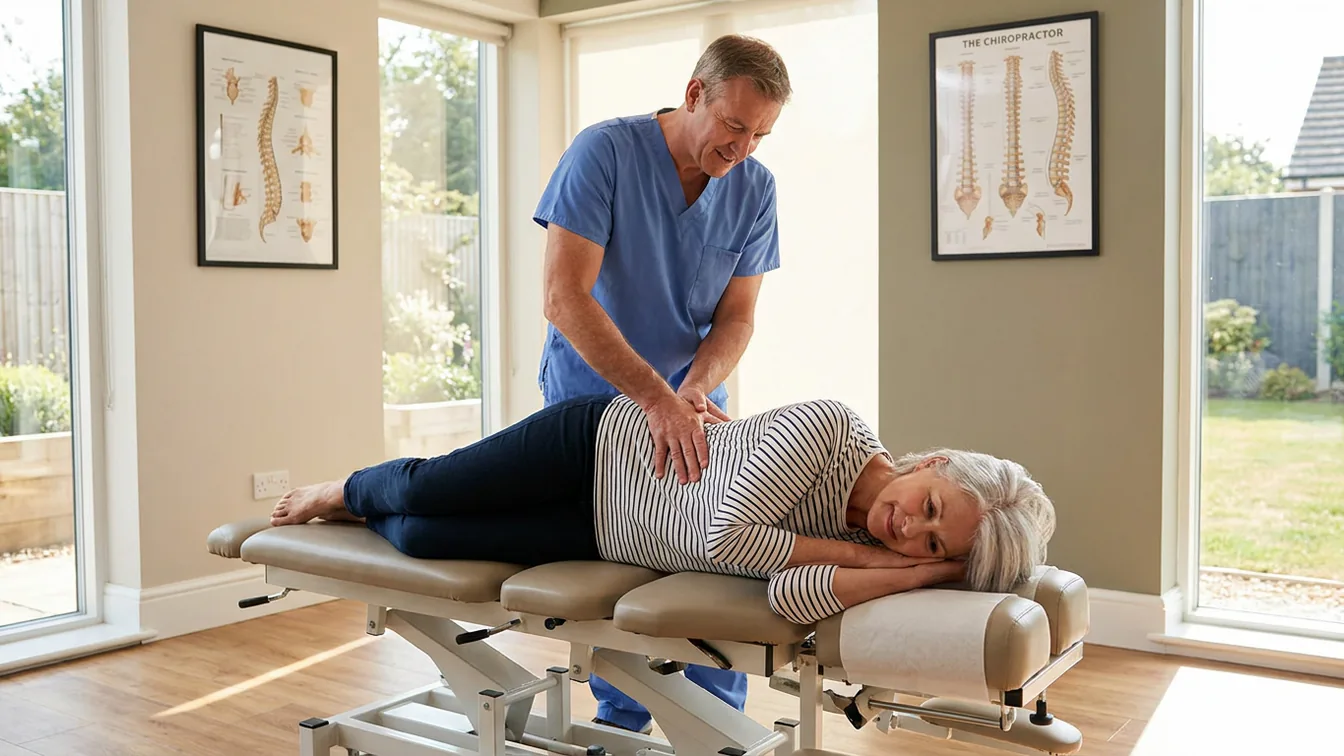
While self-care measures form the foundation of prevention, professional guidance can significantly enhance your efforts. Regular chiropractic care addresses biomechanical issues that contribute to plantar fasciitis development. Chiropractors evaluate your gait, posture, and joint function, identifying potential problems before they cause symptoms.
At Williams Chiropractic, we emphasize the importance of addressing the whole kinetic chain in plantar fasciitis prevention. Issues in your hips, knees, or ankles can alter foot mechanics, increasing plantar fascia stress. Comprehensive evaluation and treatment of these interconnected systems provide superior prevention outcomes.
Custom orthotics may benefit individuals with structural foot abnormalities or those at high risk due to occupational demands. These devices provide personalized support and correction, reducing strain on the plantar fascia during daily activities. Professional fitting ensures optimal benefit and comfort.
Recognize early warning signs that warrant professional attention. Mild heel pain that persists for more than a few days, especially pain that's worse in the morning or after periods of rest, shouldn't be ignored. Early intervention prevents minor issues from developing into chronic conditions requiring extensive treatment.
Stiffness in your feet or calves that doesn't improve with stretching may indicate developing problems. Similarly, if you experience pain during or after activities that previously caused no discomfort, consider this a signal to seek professional evaluation.
Changes in your walking pattern or compensatory movements to avoid discomfort often indicate underlying issues. Family members or friends may notice these changes before you do, so listen to their observations about how you're moving.
Creating Your Personal Prevention Plan
Developing a personalized prevention strategy ensures consistency and effectiveness in your efforts to prevent plantar fasciitis before it starts. Begin by honestly assessing your current risk factors, including activity level, occupation, foot structure, and family history.
Establish realistic goals for implementation. Rather than attempting to change everything at once, focus on one or two key areas initially. For example, you might start by improving your footwear and adding morning stretches to your routine. Once these become habits, gradually incorporate additional preventive measures.
Create accountability systems to maintain consistency. Partner with family members or friends for regular walks around Clemmons, join fitness groups, or work with healthcare professionals who can monitor your progress and adjust your prevention plan as needed.
Track your activities and any foot-related symptoms in a simple log. Note factors like types of shoes worn, activity levels, surfaces walked on, and any discomfort experienced. This information helps identify patterns and potential risk factors specific to your lifestyle.
Schedule regular check-ins with yourself to evaluate your prevention efforts. Monthly assessments allow you to adjust strategies based on what's working and what needs modification. Remember that prevention is an ongoing process, not a one-time effort.
Taking proactive steps to prevent plantar fasciitis before it starts represents an investment in your long-term mobility and quality of life. The strategies outlined here, when implemented consistently, significantly reduce your risk of developing this painful condition. However, individual risk factors and biomechanical variations mean that personalized professional guidance often provides the most effective prevention approach.
If you're concerned about your plantar fasciitis risk or want to develop a comprehensive prevention plan tailored to your specific needs, the team at Williams Chiropractic is here to help. Located at 2850 Middlebrook Drive, Clemmons, NC 27012, our experienced practitioners can evaluate your individual risk factors and create a personalized prevention strategy. Don't wait for pain to develop – take action today to keep your feet healthy and pain-free for years to come.