Living with spinal stenosis can feel overwhelming, especially when you're experiencing the daily challenges of pain, numbness, and limited mobility. Whether you're a Wake Forest Demon Deacons fan trying to enjoy game day or simply want to maintain an active lifestyle here in Clemmons, understanding your treatment options is the first step toward reclaiming your quality of life.
Spinal stenosis affects millions of Americans, and residents of Clemmons, NC are no exception. This condition occurs when the spaces within your spine narrow, putting pressure on the nerves that travel through the spine. While the diagnosis might sound intimidating, the good news is that numerous effective treatment options can help you manage symptoms and maintain an active, fulfilling life.
Understanding Your Spinal Stenosis Treatment Landscape
The approach to treating spinal stenosis has evolved significantly over the past decade. Rather than immediately jumping to invasive procedures, healthcare providers now emphasize a comprehensive, multi-modal approach that prioritizes natural healing and conservative care.
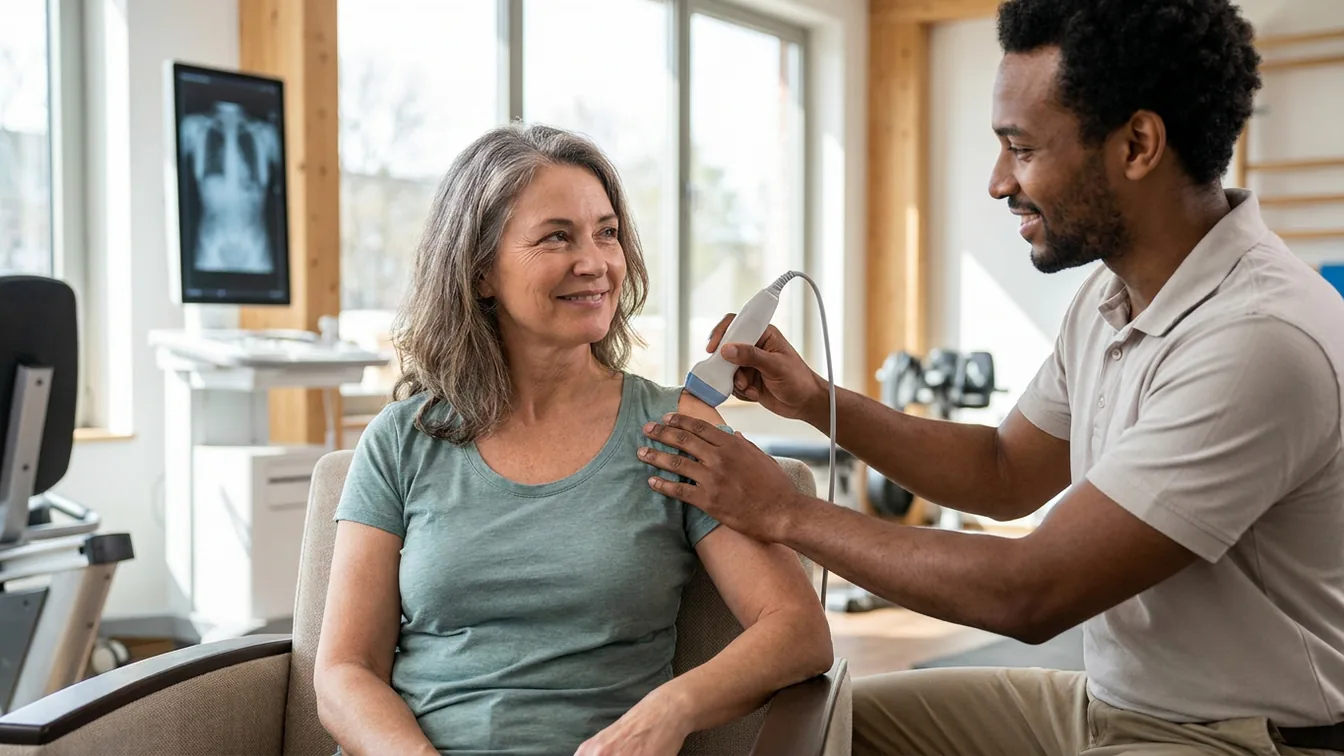
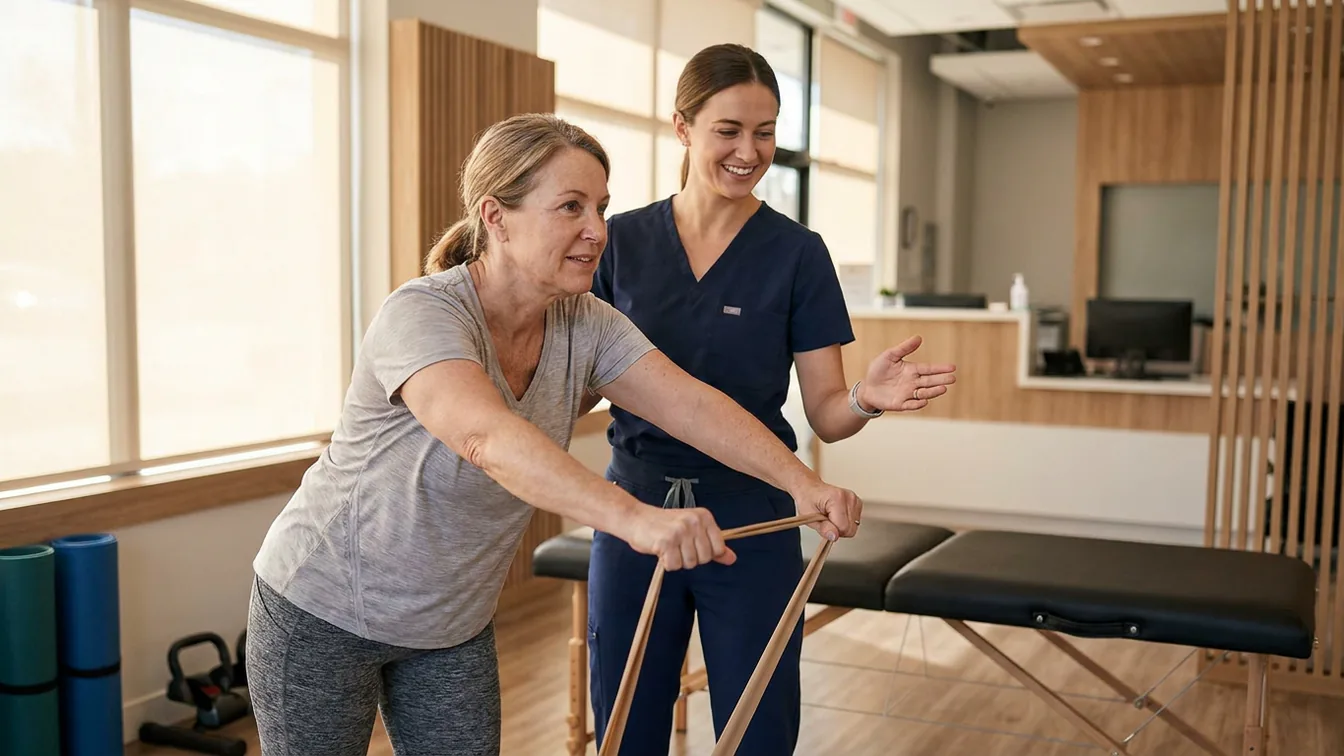
Non-surgical treatment options form the foundation of most successful spinal stenosis management plans. These approaches focus on reducing inflammation, improving mobility, and strengthening the supporting structures around your spine. Physical therapy plays a crucial role, helping you develop proper movement patterns and building the core strength necessary to support your spine during daily activities.
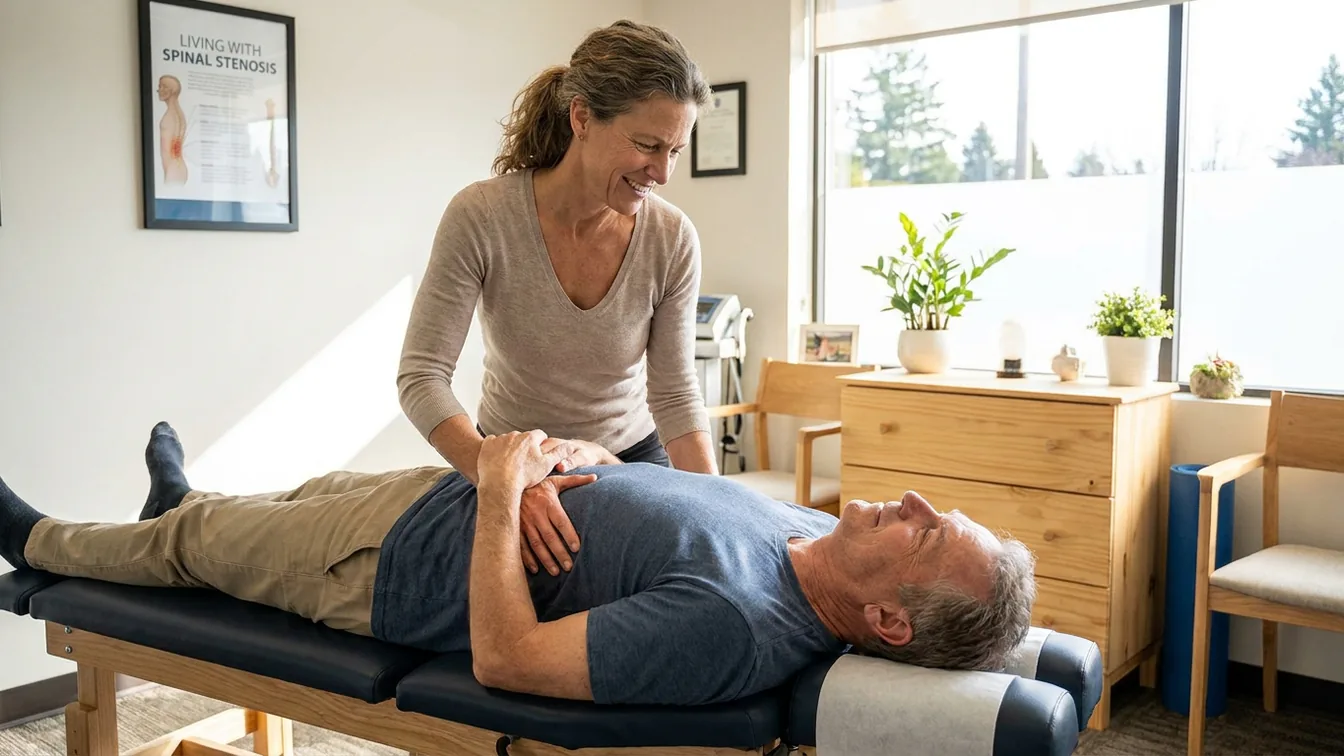
Chiropractic care represents another cornerstone of effective stenosis treatment. Skilled chiropractors use gentle spinal adjustments, mobilization techniques, and soft tissue therapies to improve spinal alignment and reduce nerve pressure. Many patients in our Clemmons community have found significant relief through regular chiropractic treatments combined with targeted exercises.
Medication management, when used appropriately, can provide temporary relief while you work on long-term solutions. Anti-inflammatory medications help reduce swelling around compressed nerves, while muscle relaxants can ease tension in surrounding tissues. However, it's important to view medications as one component of a broader treatment strategy rather than a standalone solution.
Lifestyle Modifications That Make a Real Difference
One of the most empowering aspects of living with spinal stenosis is recognizing how much control you have over your symptoms through daily choices and habits. Small adjustments to your routine can yield significant improvements in comfort and function.
Posture awareness becomes critically important when managing stenosis. Whether you're working at a desk, driving through Clemmons, or relaxing at home, maintaining proper spinal alignment reduces unnecessary pressure on already compromised areas. Simple modifications like adjusting your chair height, using lumbar support, or taking frequent movement breaks can dramatically impact your daily comfort levels.
Exercise selection requires thoughtfulness, but staying active remains essential. Low-impact activities like swimming, walking, or cycling help maintain cardiovascular health without aggravating spinal symptoms. Many Clemmons residents find success with water-based exercises, which provide resistance training while reducing joint stress. The key is finding activities you enjoy and can perform consistently.
Weight management directly influences spinal health. Excess weight increases the load on your spine and can accelerate the degenerative processes that contribute to stenosis. Even modest weight loss can provide meaningful symptom relief and slow disease progression.
Sleep quality often suffers when dealing with spinal stenosis, creating a cycle where poor rest increases pain sensitivity. Investing in proper sleep positioning, using supportive pillows, and creating an optimal sleep environment can improve both rest quality and next-day symptom management.
Advanced Treatment Approaches and When to Consider Them
While conservative treatments work well for many people, some cases of spinal stenosis require more intensive interventions. Understanding these options helps you make informed decisions about your care progression.
Spinal injections, including epidural steroid injections, can provide targeted relief when oral medications aren't sufficient. These procedures deliver anti-inflammatory medication directly to affected areas, often providing weeks or months of improved function. Many patients use injection therapy as a bridge treatment while building strength through physical therapy or chiropractic care.
Minimally invasive procedures have revolutionized stenosis treatment for appropriate candidates. Techniques like laminotomy or foraminotomy can create more space for compressed nerves without the extensive tissue disruption associated with traditional surgery. These procedures typically involve shorter recovery times and reduced complications compared to open surgical approaches.
Decompression therapy, available through specialized equipment, uses gentle traction to create negative pressure within spinal discs. This approach can help retract herniated disc material and reduce pressure on neural structures. While not appropriate for all types of stenosis, many patients experience significant improvement with this non-invasive treatment.
Alternative therapies continue to gain recognition for their role in comprehensive stenosis management. Acupuncture, massage therapy, and specialized movement techniques like yoga or tai chi can complement traditional treatments. These approaches often address the whole-person impact of chronic pain, including stress management and emotional well-being.
Building Your Support Network and Long-term Success Plan
Successfully living with spinal stenosis requires more than just treating symptoms—it involves creating a comprehensive support system and realistic long-term management strategy.
Working with the right healthcare team makes an enormous difference in treatment outcomes. This might include your primary care physician, a chiropractor, physical therapist, and potentially other specialists. Whether you live in Advance or Winston-Salem, finding providers who communicate well with each other and share your treatment philosophy is crucial for coordinated care.
Education empowers better decision-making. Understanding your specific type of stenosis, which activities aggravate symptoms, and which treatments provide the most benefit allows you to take an active role in your care. Keep a symptom journal to identify patterns and track treatment effectiveness.
Community support shouldn't be underestimated. Many Clemmons residents find value in connecting with others who understand the challenges of living with chronic spinal conditions. Support groups, whether in-person or online, provide practical tips and emotional encouragement during difficult periods.
Preventing symptom progression becomes increasingly important as you age. This means maintaining regular exercise routines, keeping up with preventive healthcare visits, and staying current on new treatment developments. Regular check-ins with your healthcare providers help ensure your treatment plan evolves with your changing needs.
The journey of living with spinal stenosis is highly individual, and what works best for one person may not be ideal for another. The key is remaining open to different treatment approaches while maintaining realistic expectations about outcomes and timelines.
If you're struggling with spinal stenosis symptoms and seeking comprehensive, natural treatment options in North Carolina, consider reaching out to experienced professionals who understand the unique challenges you're facing. At Williams Chiropractic, located at 2850 Middlebrook Drive, Clemmons, NC 27012, our team specializes in helping patients develop personalized treatment strategies that address both immediate symptom relief and long-term spinal health. Don't let stenosis limit your ability to enjoy life—effective treatment options are available, and taking that first step toward professional care could be the beginning of your journey back to comfortable, active living.