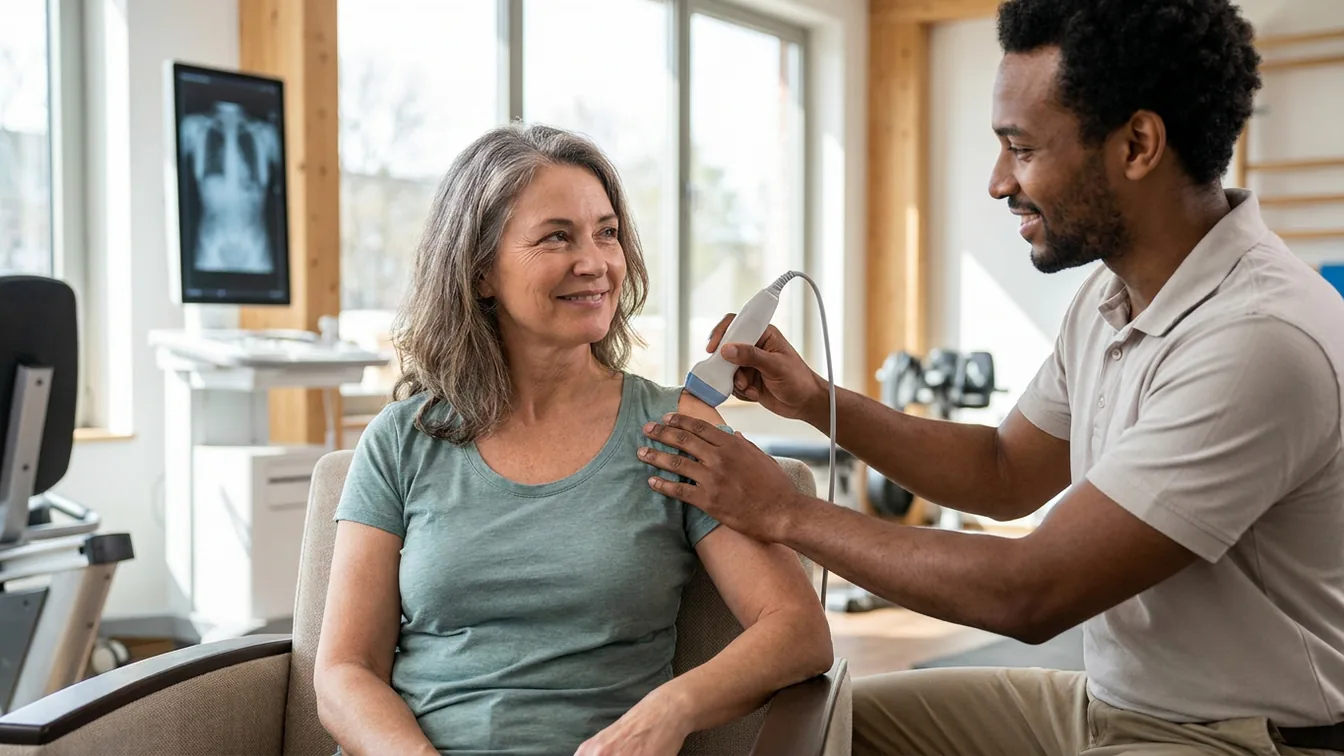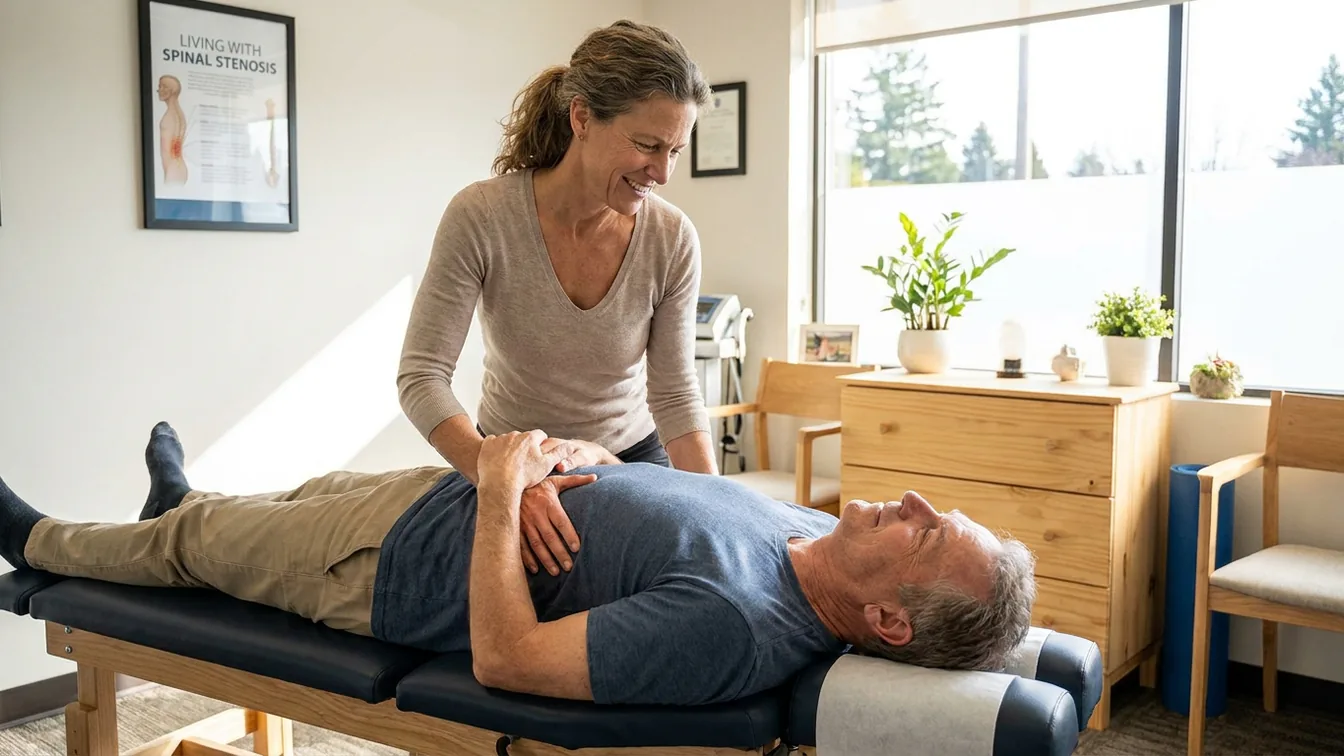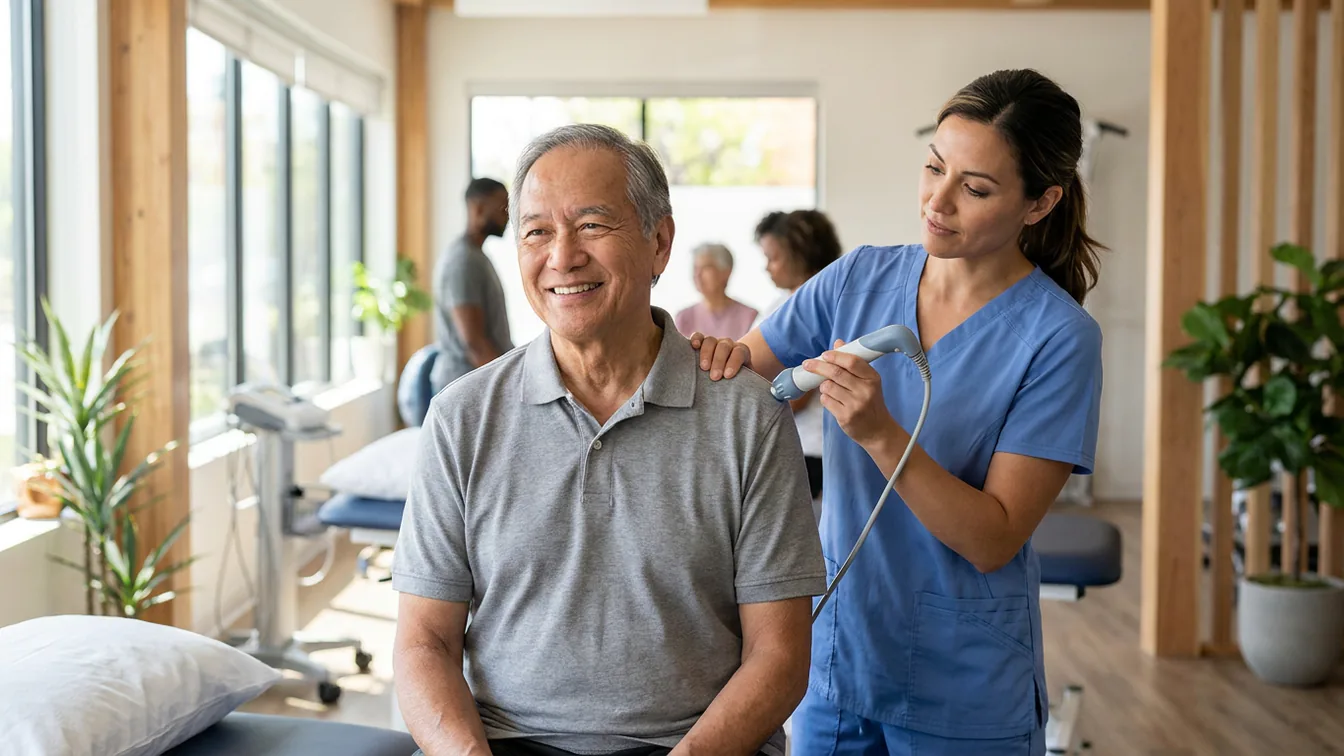
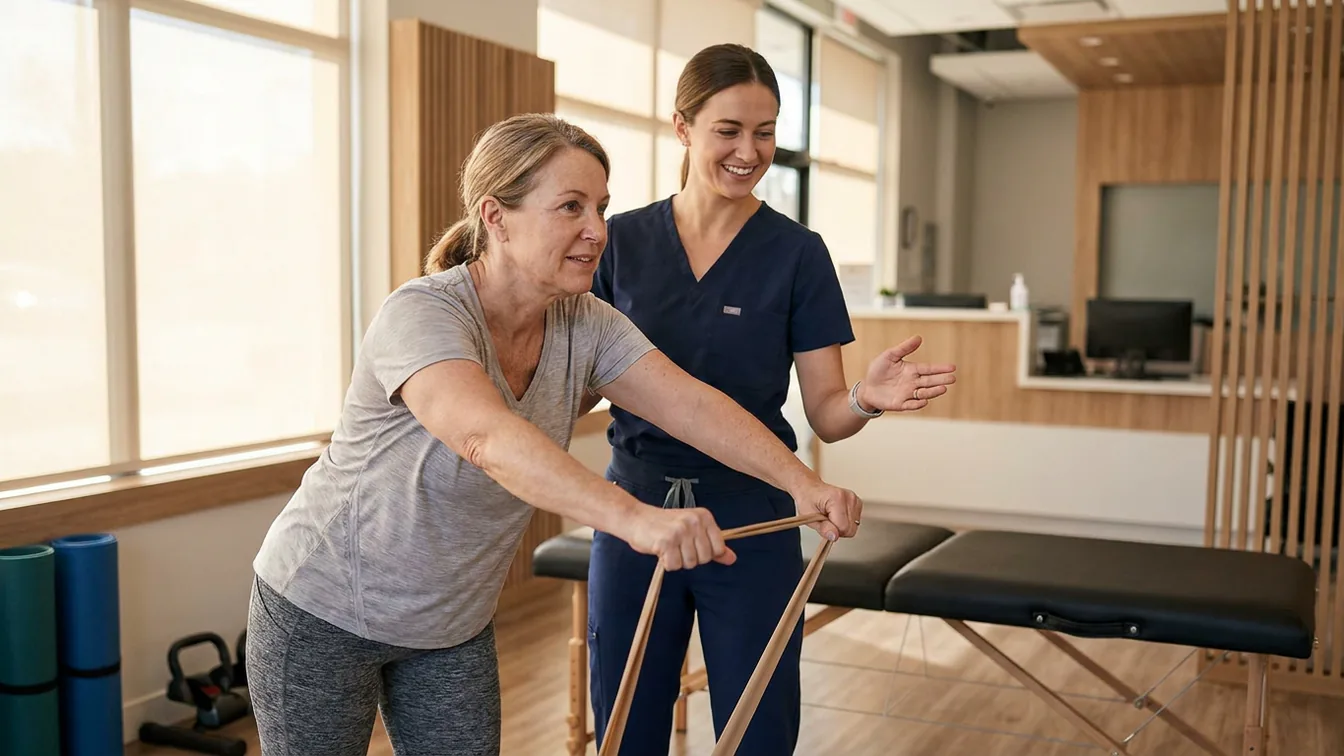
When you're dealing with pain, injury, or mobility issues, one of the most pressing questions on your mind is likely: "How long will it take before I start feeling better?" Whether you're a Yadkin River paddler recovering from a shoulder injury or someone in West Forsyth dealing with chronic back pain, understanding the timeline for physical rehabilitation can help set realistic expectations and keep you motivated throughout your recovery journey.
The answer to how long physical rehabilitation takes to show results isn't straightforward – it varies significantly based on numerous factors including the type and severity of your condition, your overall health, age, and commitment to the treatment plan. However, understanding what influences these timelines can help you better navigate your path to recovery.
Understanding the Physical Rehabilitation Timeline
Most patients begin to notice some improvement within the first 2-4 weeks of consistent physical rehabilitation, though this can vary considerably. For acute injuries like muscle strains or minor sprains, you might experience relief within days to weeks. Chronic conditions that have developed over months or years, such as degenerative disc disease or arthritis, typically require longer treatment periods – often 6-12 weeks or more to see significant improvement.
The rehabilitation process generally follows a predictable pattern. During the first week, your body is adapting to new movements and treatment approaches. You might feel slightly sore or experience what's known as "therapeutic soreness" – a normal response as your tissues begin to heal and strengthen. By weeks 2-3, many Clemmons residents report noticing decreased pain levels and improved mobility during daily activities.
The 4-6 week mark often represents a turning point where more substantial improvements become apparent. This is when many patients experience significant reductions in pain and notable improvements in function. For those dealing with more complex conditions, the 8-12 week timeframe typically shows the most dramatic results, with many individuals returning to their previous activity levels or even exceeding them.
It's important to understand that healing isn't always linear. Some days you might feel significantly better, while others might present challenges. This fluctuation is normal and doesn't indicate that your treatment isn't working. Recovery often happens in waves, with periods of rapid improvement followed by plateaus where your body consolidates the gains made.
Factors That Influence Your Recovery Speed
Several key factors determine how quickly you'll see results from physical rehabilitation. Your age plays a significant role – younger individuals often heal faster due to better circulation and more efficient cellular repair processes. However, this doesn't mean older adults can't achieve excellent outcomes; it simply might take a bit longer.
The nature and severity of your condition significantly impact recovery time. Acute injuries, like those you might sustain during a weekend hiking trip near Hanes Mall, often respond more quickly than chronic conditions that have been developing over years. A recent muscle strain might improve within 2-3 weeks, while chronic low back pain might require 8-12 weeks of consistent treatment to achieve lasting relief.
Your overall health and fitness level before injury also matter tremendously. Individuals who maintained regular exercise routines and healthy lifestyles typically recover faster than those who were sedentary. Additionally, underlying health conditions like diabetes, autoimmune disorders, or circulation problems can slow the healing process.
Compliance with your treatment plan is perhaps the most controllable factor affecting your results. Patients who consistently attend appointments, perform prescribed exercises at home, and follow lifestyle recommendations typically see faster and more lasting improvements. In our Clemmons clinic, we often observe that patients who actively participate in their recovery achieve better outcomes than those who take a passive approach.
Stress levels and sleep quality also significantly impact healing. Chronic stress elevates cortisol levels, which can interfere with tissue repair and inflammation control. Poor sleep prevents your body from completing essential repair processes that occur during rest. Managing stress through techniques like meditation, proper sleep hygiene, and maintaining social connections can accelerate your recovery.
Nutrition plays a crucial role that's often overlooked. Your body needs adequate protein for tissue repair, anti-inflammatory nutrients to control swelling, and proper hydration to maintain tissue health. Deficiencies in key nutrients like vitamin D, magnesium, or omega-3 fatty acids can slow healing processes.
Setting Realistic Expectations for Your Journey
One of the biggest challenges patients face is managing expectations throughout their rehabilitation journey. Many people expect immediate relief and become discouraged when improvement takes time. Understanding that meaningful, lasting change typically occurs gradually can help maintain motivation during challenging periods.
Different types of improvements occur at different rates. Pain reduction often happens relatively quickly – many patients notice decreased discomfort within the first few treatment sessions. Improved mobility and flexibility typically follow within 2-4 weeks of consistent treatment. Strength gains usually take longer, often requiring 6-8 weeks of targeted exercises to become noticeable.
Functional improvements – your ability to perform daily activities, work tasks, or recreational pursuits – often lag behind pain reduction and mobility gains. While you might feel less pain within a few weeks, returning to activities like playing tennis or gardening might take several additional weeks as your body builds the strength and endurance necessary for these more demanding tasks.
It's also important to recognize that some conditions require ongoing management rather than complete "cures." Conditions like arthritis, fibromyalgia, or chronic fatigue syndrome might not be completely eliminated, but physical rehabilitation can significantly improve quality of life, reduce symptom severity, and enhance function. For these conditions, the goal shifts from complete recovery to optimal management and symptom control.
For Clemmons residents dealing with work-related injuries or repetitive strain conditions, returning to full work capacity might require modifications to work environments or job duties. This doesn't represent treatment failure – it's often a realistic adaptation that allows you to remain productive while protecting your long-term health.
Many patients find it helpful to track their progress using pain scales, function assessments, or activity logs. This objective documentation helps recognize improvements that might otherwise go unnoticed during day-to-day fluctuations. Celebrating small victories along the way – like walking up stairs without pain or sleeping through the night – helps maintain motivation during longer recovery periods.
Maximizing Your Rehabilitation Success
While you can't control all factors affecting your recovery speed, there are numerous steps you can take to optimize your results. Consistency is paramount – irregular treatment attendance or sporadic home exercise performance significantly slows progress. Even when you don't feel like exercising or attending appointments, maintaining consistency often leads to breakthrough moments.
Communication with your healthcare providers is essential. Whether you're working with chiropractors, physical therapists, or other rehabilitation specialists here in Clemmons, NC, honest feedback about your symptoms, challenges, and progress helps them adjust your treatment plan for optimal results. Don't hesitate to ask questions about your condition, treatment rationale, or expected timelines.
Home care compliance makes a tremendous difference in outcomes. This includes performing prescribed exercises correctly and consistently, following activity modifications, using recommended ergonomic principles, and implementing lifestyle changes. Many patients see accelerated results when they view themselves as active participants rather than passive recipients of treatment.
Lifestyle factors significantly impact your rehabilitation success. Prioritizing sleep quality, managing stress through healthy coping strategies, maintaining proper nutrition, and staying hydrated all support your body's natural healing processes. Even small improvements in these areas can noticeably accelerate recovery.
Gradually increasing activity levels prevents re-injury while building confidence in your body's capabilities. Whether you live in Lewisville or other areas of North Carolina, returning to activities you love – like hiking, gardening, or recreational sports – should be done progressively under professional guidance.
Patience with the process is crucial. Recovery rarely follows the timeline we'd prefer, but persistence typically pays off. Many patients experience their most significant breakthroughs just when they're feeling most discouraged, so maintaining commitment during challenging periods is essential.
Remember that physical rehabilitation is an investment in your long-term health and quality of life. While the process requires time, effort, and patience, the benefits – reduced pain, improved function, enhanced quality of life, and prevention of future problems – make the journey worthwhile.
If you're struggling with pain or mobility issues and wondering whether physical rehabilitation might help, don't wait for your condition to worsen. Early intervention often leads to faster, more complete recovery. Williams Chiropractic at 2850 Middlebrook Drive, Clemmons, NC 27012 offers comprehensive evaluation and personalized treatment plans designed to help you achieve your recovery goals as efficiently and effectively as possible. Taking that first step toward treatment is often the hardest part of the journey, but it's also the most important one for reclaiming your health and vitality.