You've likely seen those colorful tape strips on athletes during major sporting events, but Kinesio taping has evolved far beyond the realm of professional sports. This innovative therapeutic technique has become a cornerstone of modern rehabilitative care, offering natural pain relief and enhanced recovery for people from all walks of life. Whether you're a Tanglewood golfer dealing with shoulder discomfort or someone seeking alternatives to traditional pain management, understanding Kinesio taping can open doors to improved wellness and mobility.
Kinesio taping represents a revolutionary approach to supporting the body's natural healing processes without restricting movement or relying on medications. Unlike traditional athletic tape that immobilizes joints, this elastic therapeutic tape works with your body's biomechanics to provide support while maintaining full range of motion. For Clemmons residents exploring holistic healthcare options, this complete guide will help you understand how this remarkable technique can benefit your health and wellness journey.
What is Kinesio Taping and How Does it Work?
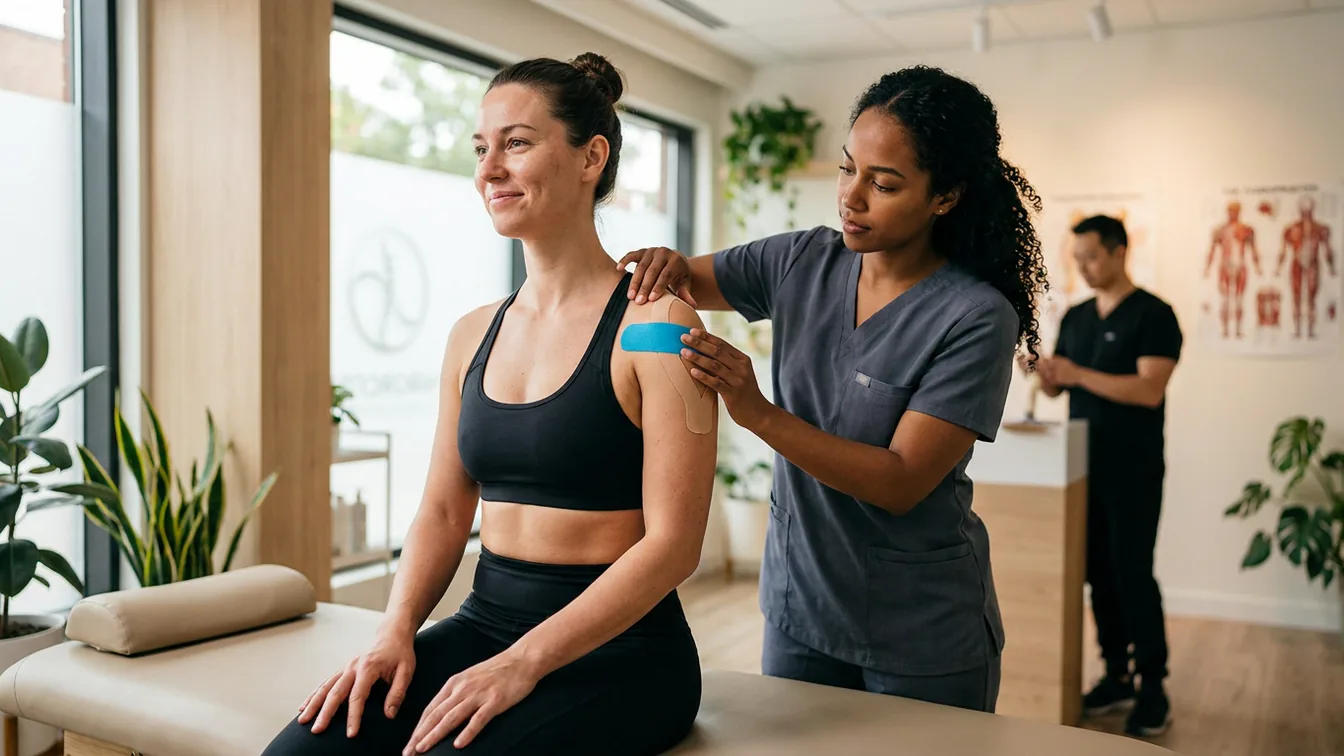
Kinesio taping involves the application of a specialized elastic tape designed to mimic the properties of human skin. The tape is approximately the same thickness as skin and can stretch up to 140% of its original length, allowing for natural movement while providing therapeutic benefits. This unique design enables the tape to lift the skin slightly, creating space beneath the surface that facilitates improved circulation and lymphatic drainage.
The science behind Kinesio taping lies in its ability to influence the body's neurological and circulatory systems. When properly applied, the tape creates a lifting effect on the skin, which reduces pressure on pain receptors and mechanical receptors beneath the surface. This process, known as gate control theory, helps interrupt pain signals traveling to the brain, providing natural pain relief without numbing sensation or restricting movement.
The tape also enhances proprioception – your body's awareness of position and movement in space. This improved sensory feedback helps muscles function more efficiently and can prevent re-injury by promoting proper movement patterns. Many patients in Clemmons have discovered that this enhanced body awareness extends beyond the taped area, improving overall movement quality and reducing compensation patterns that often lead to secondary injuries.
Additionally, the lifting action of the tape promotes better fluid circulation, including blood flow and lymphatic drainage. This improved circulation helps reduce swelling, speeds up the delivery of nutrients to healing tissues, and accelerates the removal of metabolic waste products that can contribute to pain and inflammation. The result is a natural healing environment that supports your body's inherent recovery mechanisms.
Therapeutic Applications and Benefits
The versatility of Kinesio taping makes it valuable for addressing a wide range of conditions and health goals. Pain management represents one of the most common applications, with the tape providing relief for both acute injuries and chronic conditions. Many residents of River Oaks and Winston-Salem have found significant relief from lower back pain, neck tension, and joint discomfort through strategic tape application.
For those dealing with sports-related injuries, Kinesio taping offers support during the healing process while allowing continued activity when appropriate. The tape can help manage conditions such as plantar fasciitis, tennis elbow, rotator cuff injuries, and knee pain. Unlike rigid bracing, which can lead to muscle weakness over time, Kinesio taping maintains muscle activation while providing stability and pain relief.
Postural support represents another significant benefit of this taping technique. In our modern world of desk jobs and digital devices, many people in Clemmons and throughout North Carolina struggle with forward head posture, rounded shoulders, and related muscle imbalances. Strategically placed tape can provide gentle reminders to maintain proper alignment while strengthening postural muscles over time.
The tape also proves valuable for managing swelling and inflammation, particularly following injuries or surgical procedures. The lifting effect promotes lymphatic drainage, helping reduce edema and accelerate the healing process. This application has proven particularly beneficial for patients recovering from ankle sprains, post-surgical swelling, and various inflammatory conditions.
Pregnancy-related discomfort represents another area where Kinesio taping shines. Expectant mothers often experience lower back pain, round ligament pain, and swelling as their bodies adapt to pregnancy changes. The gentle, drug-free support provided by proper taping can offer significant relief without concerns about medication effects on the developing baby.
Professional Application vs. Self-Taping
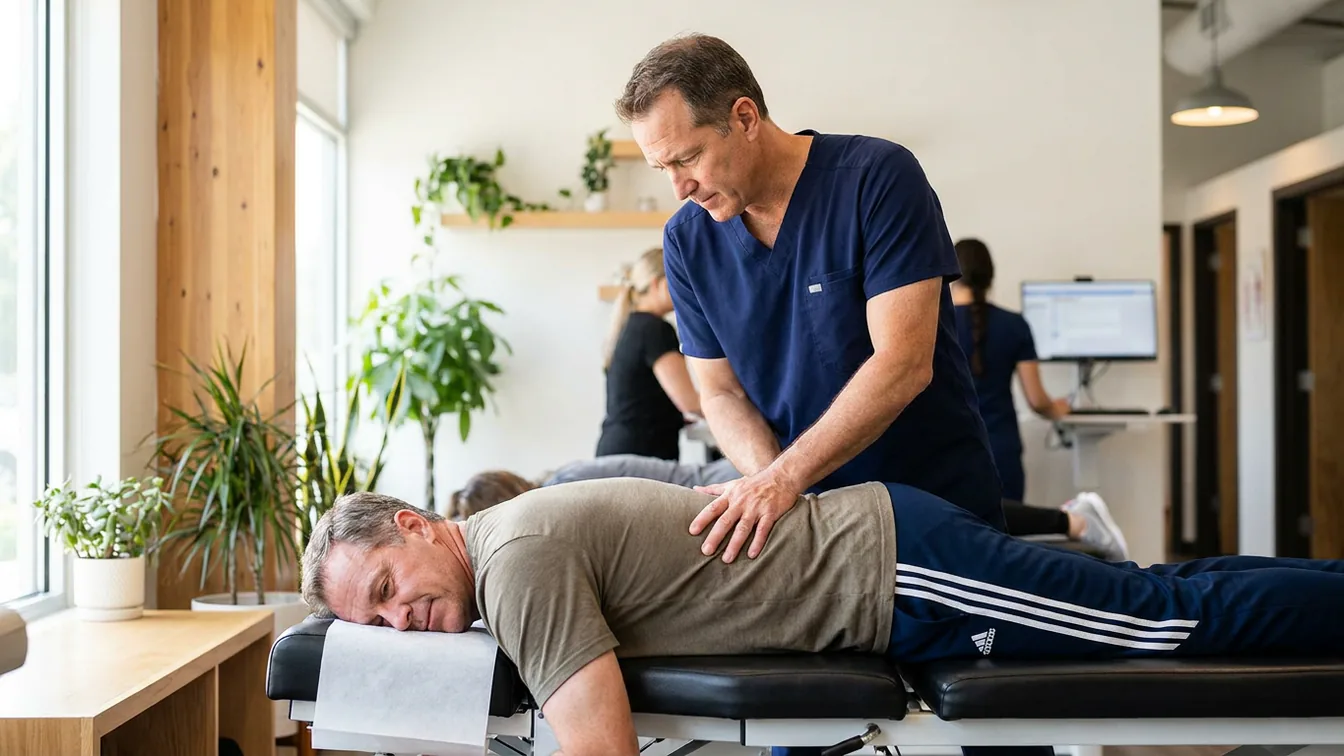
While Kinesio tape is available for purchase by consumers, the effectiveness of treatment largely depends on proper application technique. Professional practitioners undergo extensive training to understand the complexities of tape placement, tension, and pattern selection based on specific conditions and individual needs. At Williams Chiropractic, practitioners combine their understanding of anatomy, biomechanics, and therapeutic goals to create customized taping strategies for each patient.
The assessment process begins with a thorough evaluation of your condition, movement patterns, and treatment objectives. A qualified professional will consider factors such as muscle function, joint mobility, inflammation levels, and your specific activity demands when designing a taping approach. This comprehensive assessment ensures that the tape application addresses not just symptoms but underlying movement dysfunctions that may contribute to your condition.
Professional application also ensures proper tape selection and preparation. Different conditions may require variations in tape width, elasticity, and adhesive strength. Additionally, proper skin preparation, including cleaning and potentially pre-taping with underwrap in sensitive areas, can significantly impact both comfort and effectiveness.
While basic self-taping techniques can be learned for simple applications, complex conditions or areas that are difficult to reach typically require professional application. Attempting to tape areas like the upper back, neck, or using advanced techniques without proper training may result in ineffective treatment or even exacerbation of symptoms.
The correction of tape application represents another advantage of professional care. As your condition improves or changes, your taping needs may evolve. A trained practitioner can modify techniques, adjust tension, or change patterns to match your healing progress and optimize outcomes throughout your recovery journey.
Safety Considerations and Best Practices
Safety remains paramount when using Kinesio taping, whether applied professionally or as part of a supervised self-care program. Skin reactions represent the most common concern, with some individuals experiencing irritation or allergic responses to tape adhesives. Testing a small area before full application can help identify potential sensitivities, and hypoallergenic options are available for those with known skin sensitivities.
Proper tape removal is crucial for maintaining skin health and ensuring positive experiences with future applications. The tape should be removed slowly and carefully, preferably after warming with gentle heat or following a shower. Pulling the tape off quickly or against the direction of hair growth can cause skin irritation or damage. Using tape removal products or oils can help dissolve adhesive residue and make removal more comfortable.
Certain conditions require special consideration or may contraindicate Kinesio taping altogether. Individuals with active infections, open wounds, or certain skin conditions should avoid taping over affected areas. Additionally, people taking blood-thinning medications or those with compromised circulation should consult with healthcare providers before using Kinesio tape.
The duration of tape wear represents another important consideration. While Kinesio tape is designed to be worn for 3-5 days, individual tolerance varies. Some people may need to remove the tape sooner due to skin sensitivity, while others may find it comfortable for longer periods. Monitoring your skin's response and removing the tape if irritation develops helps prevent more serious skin reactions.
Proper hygiene practices, including keeping the taped area clean and dry when possible, can extend wear time and reduce the risk of skin problems. However, the waterproof nature of most Kinesio tapes allows for normal bathing and light swimming activities without compromising adhesion or effectiveness.
Understanding Kinesio taping represents just the beginning of exploring its potential benefits for your health and wellness journey. This complete guide provides the foundation for making informed decisions about incorporating this innovative therapy into your healthcare approach. However, the true power of Kinesio taping emerges through proper professional application tailored to your specific needs and conditions.
If you're ready to experience the benefits of Kinesio taping for yourself, consider consulting with qualified healthcare professionals who can assess your individual needs and create a customized treatment plan. At Williams Chiropractic, located at 2850 Middlebrook Drive, Clemmons, NC 27012, experienced practitioners combine Kinesio taping with comprehensive chiropractic care to help patients achieve optimal wellness naturally. Whether you're dealing with chronic pain, recovering from an injury, or seeking to enhance your athletic performance, professional guidance can help you harness the full potential of this remarkable therapeutic tool. Take the first step toward better health and discover how Kinesio taping can support your journey to improved wellness and vitality.