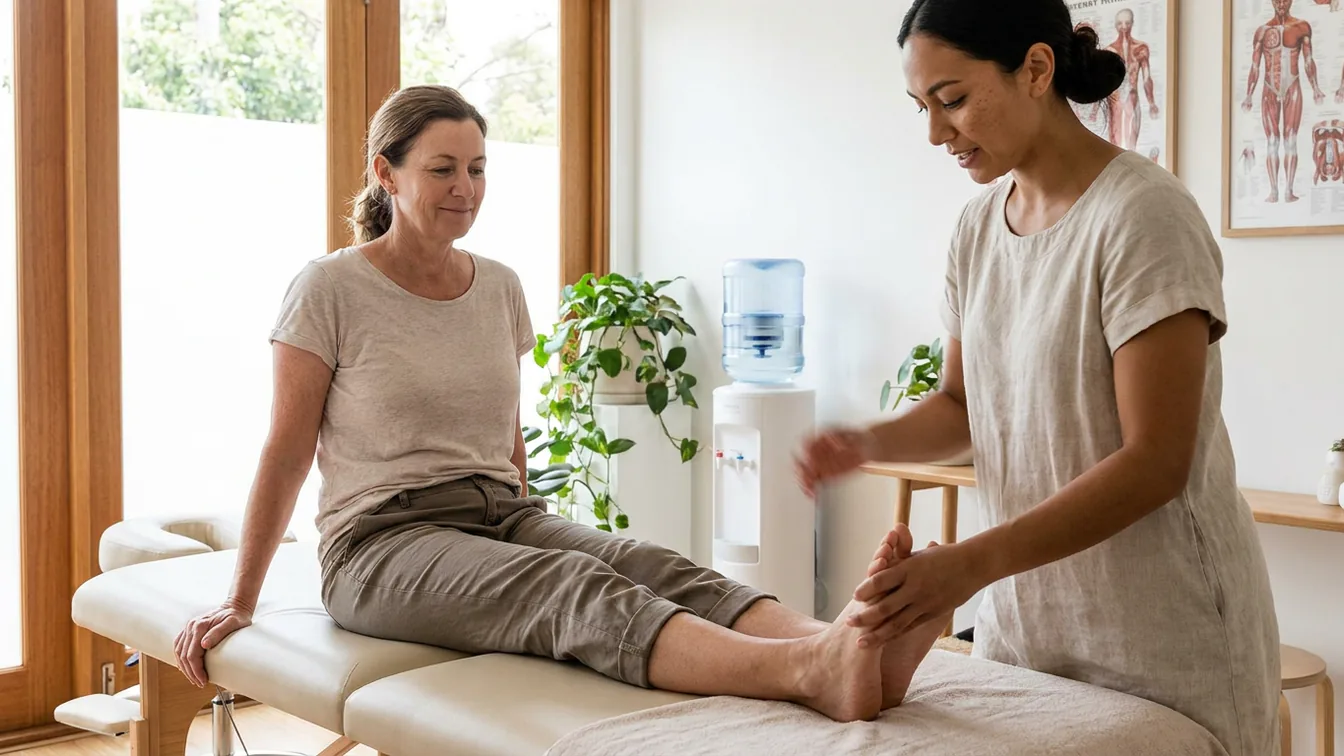

Living with neuropathy can feel like navigating life with constant reminders of discomfort – tingling sensations, burning pain, numbness, and weakness that can significantly impact your daily activities. Whether you're a Wake Forest Demon Deacons fan trying to enjoy a game or someone who loves morning walks through Tanglewood Park, neuropathy symptoms can make even simple pleasures challenging. For many Clemmons residents seeking natural alternatives to traditional medical treatments, spinal decompression therapy has emerged as a promising option worth exploring.
Neuropathy affects millions of Americans, causing symptoms that range from mild discomfort to debilitating pain. While this condition has various causes, research increasingly shows a connection between spinal health and nerve function that makes spinal decompression therapy a relevant treatment consideration for many patients.
Understanding the Connection Between Spinal Health and Neuropathy
To understand how spinal decompression might help with neuropathy, it's essential to recognize the intricate relationship between your spine and nervous system. Your spinal cord serves as the main highway for nerve signals traveling between your brain and the rest of your body. When vertebrae become compressed, misaligned, or when surrounding tissues become inflamed, this can create pressure on nerve roots and affect nerve function throughout your body.
Neuropathy often develops when nerves become damaged or compressed. While diabetes remains the most common cause of peripheral neuropathy, spinal issues contribute significantly to nerve problems, particularly in cases involving:
- Herniated or bulging discs pressing on nerve roots
- Spinal stenosis narrowing the spaces where nerves travel
- Vertebral misalignments affecting nerve pathways
- Inflammation around the spine impacting nearby nerves
Many patients in Clemmons and surrounding areas like Bermuda Run and Winston-Salem have found that addressing spinal compression can lead to improvements in neuropathy symptoms, even when the condition has multiple contributing factors.
Spinal decompression works by gently stretching the spine, creating negative pressure within spinal discs. This process can help retract herniated disc material, reduce pressure on compressed nerves, and improve circulation to affected areas. The increased blood flow brings essential nutrients and oxygen to damaged nerves while helping remove inflammatory substances that may be contributing to neuropathy symptoms.
How Spinal Decompression Therapy Works for Neuropathy Relief
Spinal decompression therapy uses specialized equipment to apply controlled, gentle traction to specific areas of the spine. During treatment, patients lie comfortably on a decompression table while the device applies precise amounts of pull to targeted spinal segments. This creates a vacuum effect within the intervertebral discs, potentially allowing herniated or bulging disc material to retract and reducing pressure on compressed nerve roots.
The therapy typically involves a series of treatment sessions, each lasting 20-30 minutes. During these sessions, the decompression force gradually increases and decreases in cycles, allowing the spine to relax between stretches. This cyclical approach helps prevent muscle guarding – a protective response where muscles tighten to resist stretching – ensuring the therapy remains comfortable and effective.
For neuropathy patients, several mechanisms make spinal decompression potentially beneficial:
Pressure Relief: By reducing compression on nerve roots, decompression therapy can help restore normal nerve function and reduce pain signals. Many patients report decreased burning, tingling, and sharp shooting pains after completing a series of treatments.
Improved Circulation: The gentle stretching action promotes better blood flow to the spine and surrounding tissues. Enhanced circulation delivers crucial nutrients to damaged nerves and helps remove waste products and inflammatory substances that may be impeding healing.
Disc Health Restoration: Decompression can help rehydrate compressed discs and potentially allow them to return to more normal positions. Healthier discs provide better cushioning between vertebrae and reduce the likelihood of nerve compression.
Reduced Inflammation: The therapy may help decrease local inflammation around compressed nerves, addressing one of the key factors contributing to neuropathy pain and dysfunction.
Patients often notice improvements in neuropathy symptoms gradually over the course of treatment. Some report better sleep due to reduced nighttime pain, improved sensation in affected areas, and increased ability to perform daily activities without discomfort.
What to Expect During Spinal Decompression Treatment
If you're considering spinal decompression therapy for neuropathy in Clemmons, understanding what to expect can help you make an informed decision about your care. The treatment process typically begins with a comprehensive evaluation to determine whether you're a good candidate for decompression therapy.
During your initial consultation, healthcare providers will review your medical history, current symptoms, and any previous treatments you've tried. They may perform physical examinations and review imaging studies to understand the specific nature of your spinal issues and how they might be contributing to your neuropathy symptoms.
Not everyone with neuropathy is an appropriate candidate for spinal decompression. The therapy works best for patients whose symptoms stem from or are significantly worsened by spinal compression issues. Those with certain conditions, such as severe osteoporosis, spinal tumors, or specific types of spinal hardware, may not be suitable candidates for this treatment approach.
Once you begin treatment, most protocols involve multiple sessions over several weeks. Many patients start noticing improvements within the first few sessions, though the full benefits often become apparent after completing the recommended treatment series. Some individuals experience immediate relief, while others see gradual improvement over time.
During treatment sessions, you'll remain fully clothed and be positioned comfortably on the decompression table. Most patients find the experience relaxing and pain-free. Some even use the time to rest or listen to music. The gentle nature of modern decompression equipment makes the therapy suitable for most adults, including older patients who might not tolerate more aggressive treatments.
Complementary Approaches for Enhanced Results
While spinal decompression can be effective on its own, many Clemmons healthcare providers recommend combining it with complementary therapies for optimal neuropathy management. This comprehensive approach addresses multiple aspects of nerve health and can lead to more significant and lasting improvements.
Physical therapy and specific exercises can help strengthen the muscles supporting your spine, improving posture and reducing the likelihood of future compression issues. Targeted stretches can also help maintain the benefits achieved through decompression therapy and prevent stiffness that might contribute to nerve compression.
Nutritional support plays a crucial role in nerve health. Certain vitamins and minerals, particularly B vitamins, vitamin D, and alpha-lipoic acid, support nerve function and may help damaged nerves heal more effectively. Many patients benefit from working with healthcare providers who can assess nutritional needs and recommend appropriate supplementation.
Lifestyle modifications can significantly impact neuropathy symptoms and treatment outcomes. Maintaining a healthy weight reduces stress on the spine, while regular low-impact exercise promotes circulation and overall nerve health. Managing blood sugar levels is particularly important for patients whose neuropathy has diabetic components.
Stress management techniques, including mindfulness practices and relaxation exercises, can help reduce the perception of pain and improve overall quality of life. Chronic pain often creates a cycle where stress worsens symptoms, which in turn increases stress levels. Breaking this cycle through effective stress management can enhance the benefits of physical treatments like spinal decompression.
Making an Informed Decision About Your Care
If you're struggling with neuropathy symptoms and considering spinal decompression therapy, taking the time to thoroughly evaluate your options is essential. While many patients experience significant improvements, individual results can vary based on factors such as the underlying cause of neuropathy, the severity of symptoms, and overall health status.
Consider keeping a symptom diary before beginning treatment to track patterns in your pain, numbness, or other neuropathy symptoms. This information can help healthcare providers develop the most appropriate treatment plan and allow you to monitor improvements objectively as you progress through therapy.
Research shows that earlier intervention often leads to better outcomes for neuropathy patients. If you've been living with symptoms and haven't found adequate relief through other approaches, exploring spinal decompression sooner rather than later may offer the best chance for meaningful improvement.
It's also important to maintain realistic expectations while remaining optimistic about potential improvements. While some patients experience dramatic relief, others see more modest but still meaningful improvements in their quality of life. Even partial symptom reduction can make a significant difference in your ability to work, sleep, and enjoy daily activities.
For residents of Clemmons, NC, and the surrounding North Carolina region, access to experienced healthcare providers who understand both neuropathy and spinal decompression therapy is crucial for achieving the best possible outcomes. Williams Chiropractic offers comprehensive evaluations and personalized treatment approaches designed to address your specific needs and goals.
Don't let neuropathy symptoms continue to limit your life when effective treatment options are available. If you're ready to explore whether spinal decompression therapy might help with your neuropathy, consider scheduling a consultation to discuss your symptoms and learn more about this promising treatment approach. Contact Williams Chiropractic at 2850 Middlebrook Drive, Clemmons, NC 27012 to begin your journey toward better nerve health and improved quality of life.