Living with neuropathy can feel like an endless cycle of burning sensations, tingling, and numbness that disrupts your daily life. Whether you're in Tobaccoville or Tanglewood, many residents are discovering that chiropractic adjustments provide lasting relief for neuropathy symptoms without relying solely on medications or invasive procedures.
Neuropathy affects millions of Americans, causing nerve damage that leads to pain, weakness, and sensory changes, particularly in the hands and feet. While traditional treatments often focus on managing symptoms, chiropractic care addresses the underlying structural issues that may contribute to nerve dysfunction, offering hope for genuine, long-term improvement.
Understanding Neuropathy and Its Connection to Spinal Health
Neuropathy occurs when peripheral nerves become damaged or dysfunctional, sending incorrect signals to the brain or failing to communicate effectively. While diabetes is the most common cause, neuropathy can also result from vitamin deficiencies, autoimmune disorders, infections, and importantly, mechanical compression of nerve pathways.
Your spine serves as the central highway for your nervous system. When vertebrae become misaligned or joints lose proper mobility, they can create pressure on nerve roots and disrupt the delicate communication between your brain and the rest of your body. This mechanical interference can worsen existing neuropathy symptoms or even trigger nerve dysfunction in some cases.
Many Clemmons residents are surprised to learn that their neuropathy symptoms improve significantly when spinal alignment issues are addressed. The connection between spinal health and peripheral nerve function is well-established in chiropractic literature, with research showing that adjustments can enhance nerve conductivity and reduce inflammation around nerve pathways.
Chiropractic adjustments work by restoring proper joint mechanics and reducing mechanical stress on the nervous system. When your spine moves correctly and maintains proper alignment, it creates an optimal environment for nerve healing and function. This approach doesn't just mask symptoms – it addresses one of the potential root causes of nerve dysfunction.
How Chiropractic Adjustments Target Neuropathy Relief
The beauty of chiropractic care lies in its precision and individualized approach. During your initial evaluation, a chiropractor will assess your spinal alignment, joint mobility, and nerve function to identify areas where mechanical dysfunction might be contributing to your neuropathy symptoms.
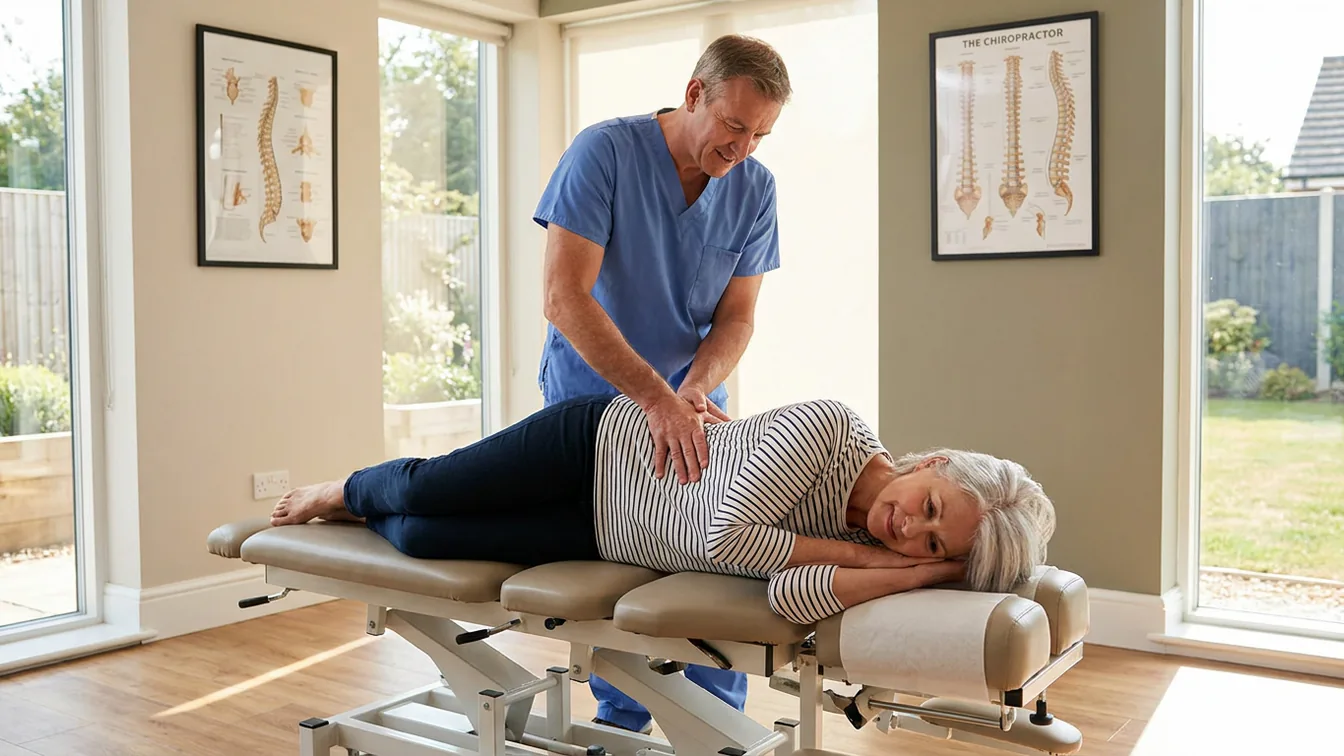
Spinal adjustments involve gentle, controlled movements that restore proper joint position and mobility. These adjustments can immediately reduce pressure on compressed nerve roots and improve circulation to affected areas. Many patients report feeling tingling or warmth in previously numb areas immediately following an adjustment – a sign that nerve communication is being restored.
Beyond spinal adjustments, chiropractors often incorporate extremity adjustments to address peripheral joint restrictions. For neuropathy affecting the hands, adjustments to the wrist, elbow, and shoulder can improve nerve pathways from the cervical spine to the fingertips. Similarly, foot and ankle adjustments can benefit those experiencing lower extremity neuropathy symptoms.
Soft tissue therapies complement the adjustments by addressing muscle tension and fascial restrictions that may be compressing nerves. Techniques like myofascial release and trigger point therapy can restore proper tissue mobility and reduce inflammation around nerve pathways.
The lasting nature of chiropractic relief comes from its ability to retrain your nervous system and restore normal movement patterns. Unlike medications that provide temporary symptom relief, adjustments create structural changes that can have cumulative, long-term benefits for nerve function.
Comprehensive Neuropathy Management Through Chiropractic Care
Successful neuropathy management requires more than just adjustments – it demands a comprehensive approach that addresses all factors contributing to nerve dysfunction. Modern chiropractic practices integrate multiple therapeutic modalities to maximize healing potential and provide lasting relief.
Nutritional counseling plays a crucial role in neuropathy recovery. B-vitamins, particularly B1, B6, and B12, are essential for nerve health and repair. Alpha-lipoic acid, acetyl-L-carnitine, and other supplements have shown promise in clinical studies for reducing neuropathy symptoms. A chiropractor can guide you toward evidence-based nutritional strategies that support your body's natural healing processes.
Lifestyle modifications are equally important for long-term success. Poor posture, repetitive motions, and ergonomic issues can perpetuate nerve compression and inflammation. Your chiropractor can identify these contributing factors and provide practical solutions for your work environment, sleep setup, and daily activities.
Exercise therapy specifically designed for neuropathy patients helps maintain joint mobility, improve circulation, and prevent muscle weakness. Whether you're an active Yadkin River paddler or someone who's become sedentary due to neuropathy symptoms, a customized exercise program can help restore function and prevent symptom progression.
Stress management techniques are often overlooked but critically important components of neuropathy care. Chronic stress can worsen inflammation and impair healing. Techniques like breathing exercises, meditation, and gentle yoga can activate your parasympathetic nervous system and create an optimal environment for nerve repair.
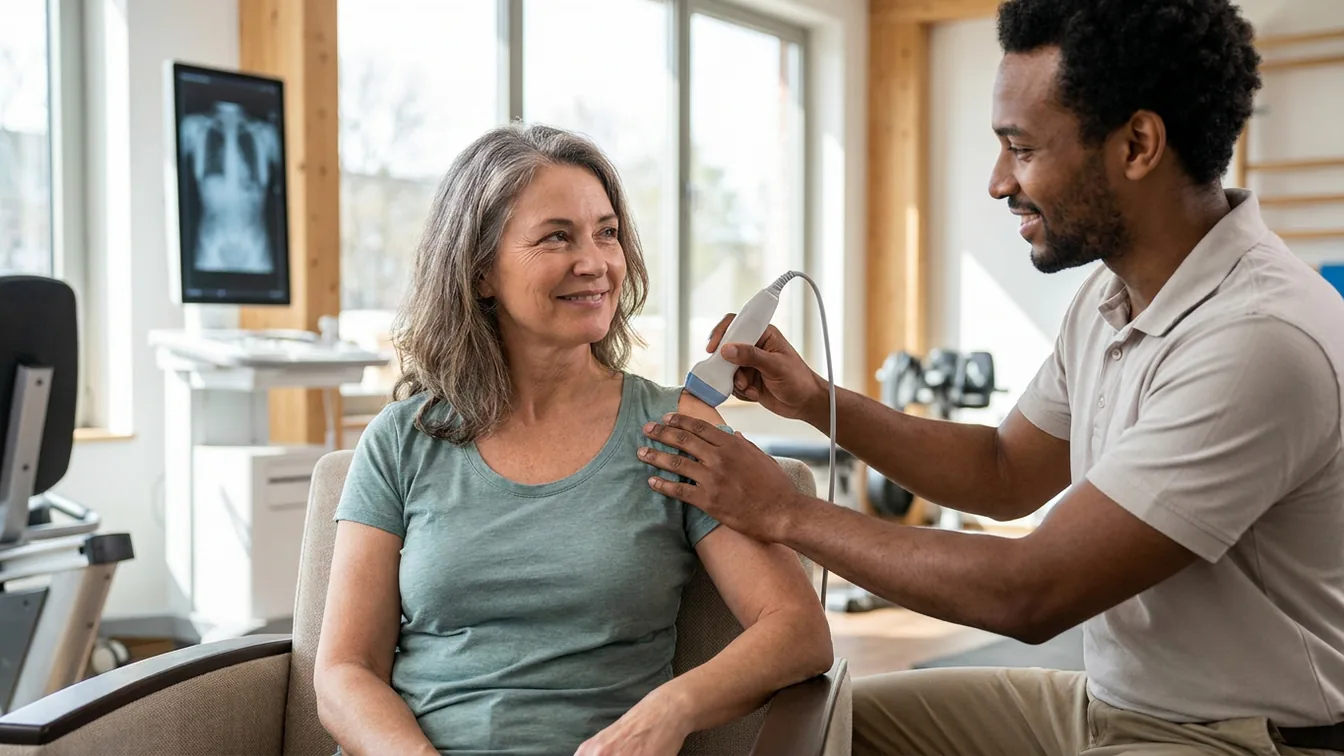
Many chiropractic practices also incorporate advanced therapies like cold laser therapy, electrical stimulation, and vibration therapy. These modalities can enhance circulation, reduce inflammation, and stimulate nerve regeneration when used as part of a comprehensive treatment plan.
What to Expect: Your Journey to Lasting Relief
Starting chiropractic care for neuropathy requires realistic expectations and commitment to the healing process. During your first visit, expect a thorough examination that may include orthopedic and neurological tests, postural analysis, and detailed health history review.
Initial improvements often occur within the first few weeks of care, though the timeline varies based on the severity and duration of your neuropathy. Some patients experience immediate relief after their first adjustment, while others notice gradual improvements over several weeks. The key is consistency – regular adjustments allow your nervous system to adapt and maintain the improvements achieved.
Your treatment plan will likely evolve as you progress. Initial phases focus on reducing acute symptoms and restoring basic function. As you improve, care transitions to strengthening exercises, postural correction, and preventive strategies to maintain your gains long-term.
Communication with your chiropractor is essential throughout this process. Keep detailed notes about your symptoms, including when they're better or worse, what activities trigger flare-ups, and how you're responding to different treatments. This information helps your chiropractor fine-tune your care plan for optimal results.
It's important to understand that chiropractic care works best as part of an integrated approach. Your chiropractor may recommend coordinating with your medical doctor, particularly if you're managing diabetes or other underlying conditions contributing to your neuropathy.
Many Clemmons residents find that combining chiropractic care with their existing medical treatments provides the most comprehensive relief. The goal isn't to replace necessary medications but to address mechanical factors that medications alone cannot fix.
Progress tracking is crucial for demonstrating the lasting nature of chiropractic relief. Many practices use objective measures like nerve conduction studies, balance assessments, and standardized pain scales to document improvements over time. These measurements help both you and your chiropractor understand how well the treatment is working and when adjustments to the care plan might be needed.
If you're struggling with neuropathy symptoms here in Clemmons, North Carolina, know that you don't have to accept constant pain and dysfunction as your new normal. Chiropractic adjustments provide lasting relief for many neuropathy sufferers by addressing the mechanical factors that contribute to nerve dysfunction. At Williams Chiropractic, located at 2850 Middlebrook Drive, Clemmons, NC 27012, we understand the frustration and challenges that come with neuropathy, and we're committed to helping you find the natural, lasting relief you deserve. Take the first step toward reclaiming your quality of life by scheduling a consultation to explore how chiropractic care might help your specific situation.